AGRI-TOUR Capacity Building in Vanuatu: Connecting Remote Island Agritourism, Culture and Sustainability
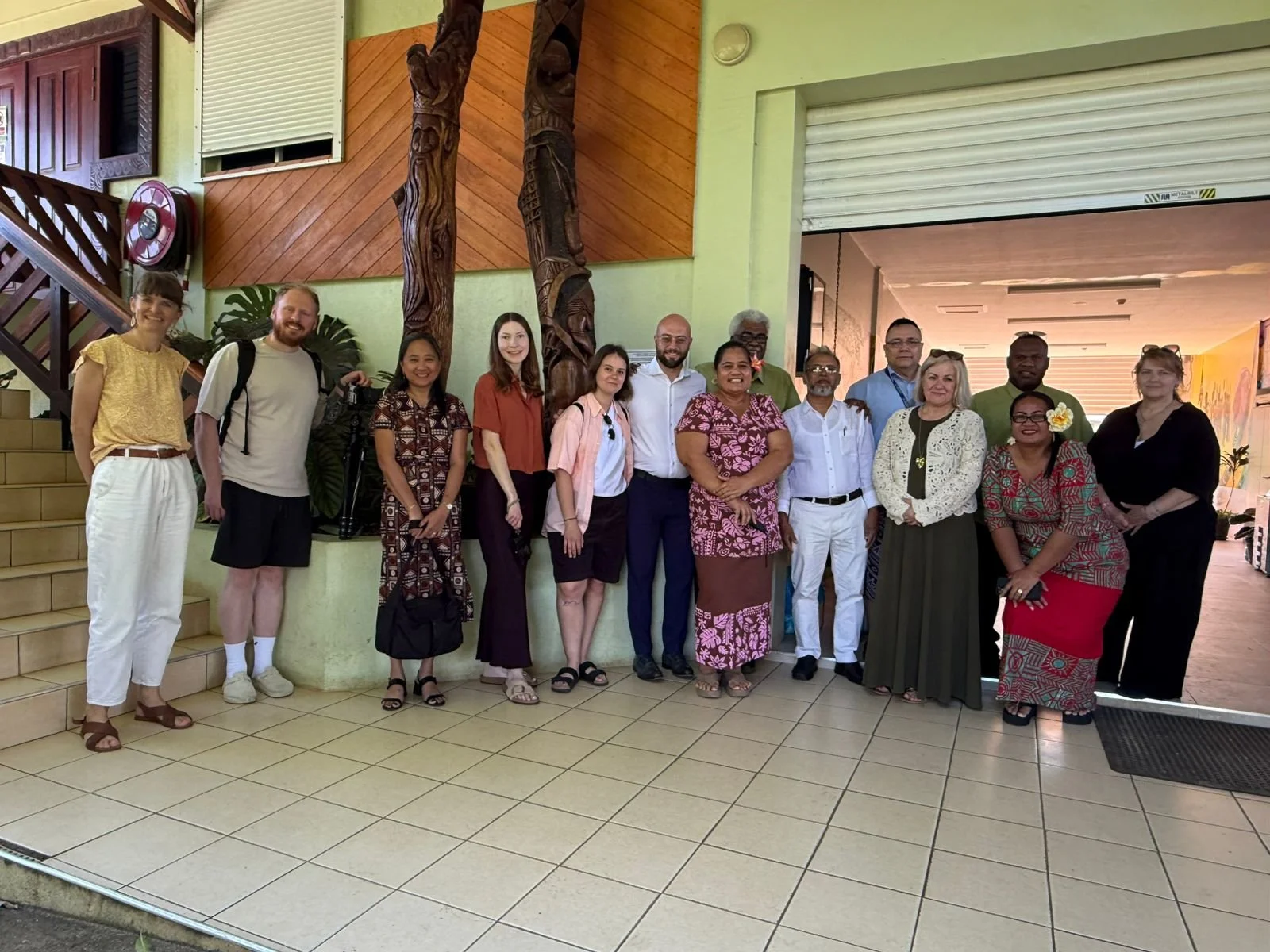
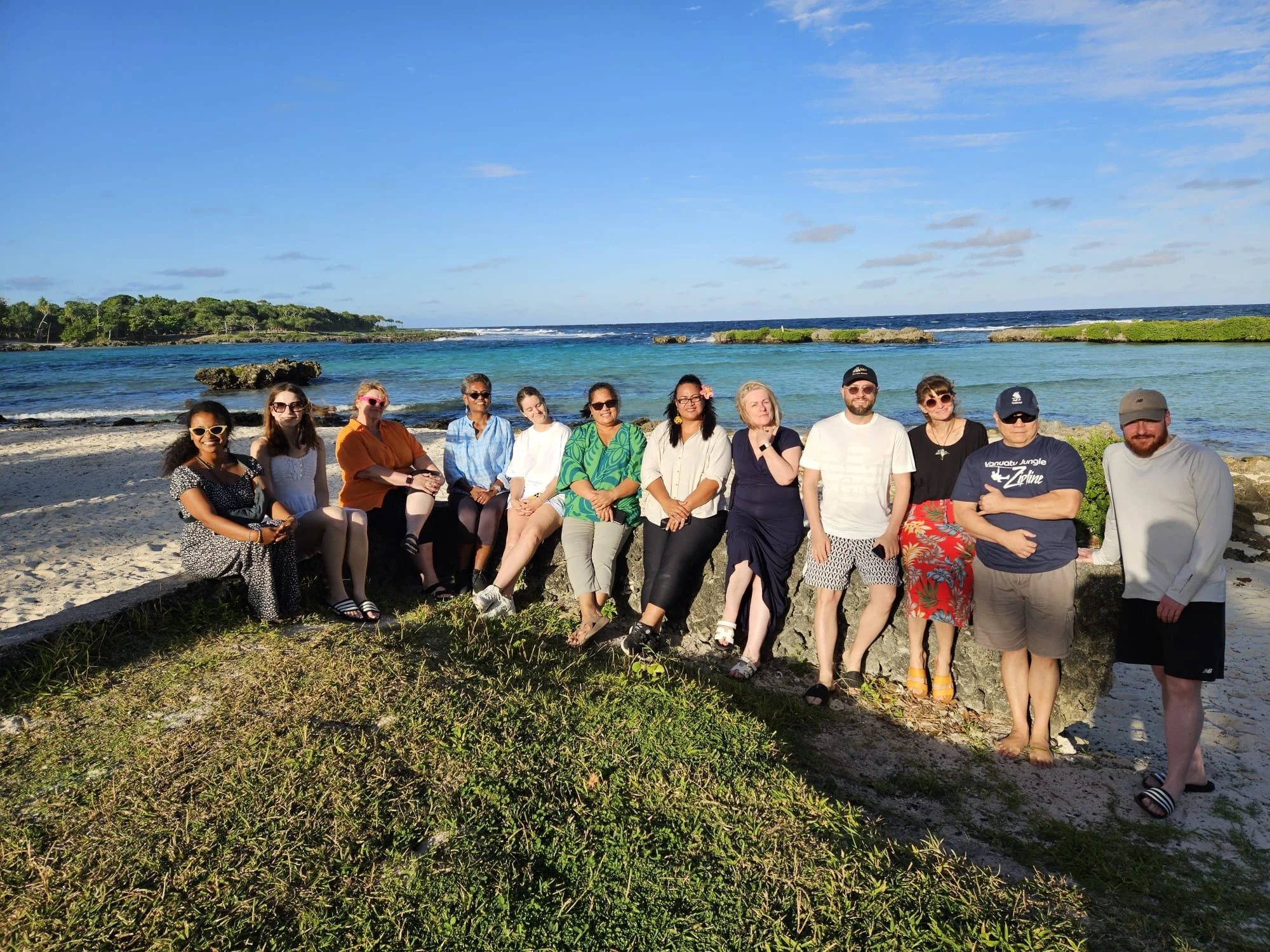
From 25 to 29 May 2026, the AGRI-TOUR consortium implemented a Capacity Building activity in Vanuatu, hosted by the National University of Vanuatu. The activity brought together project partners from Europe and the Pacific to continue developing educational and audiovisual materials for sustainable agritourism in remote island contexts.
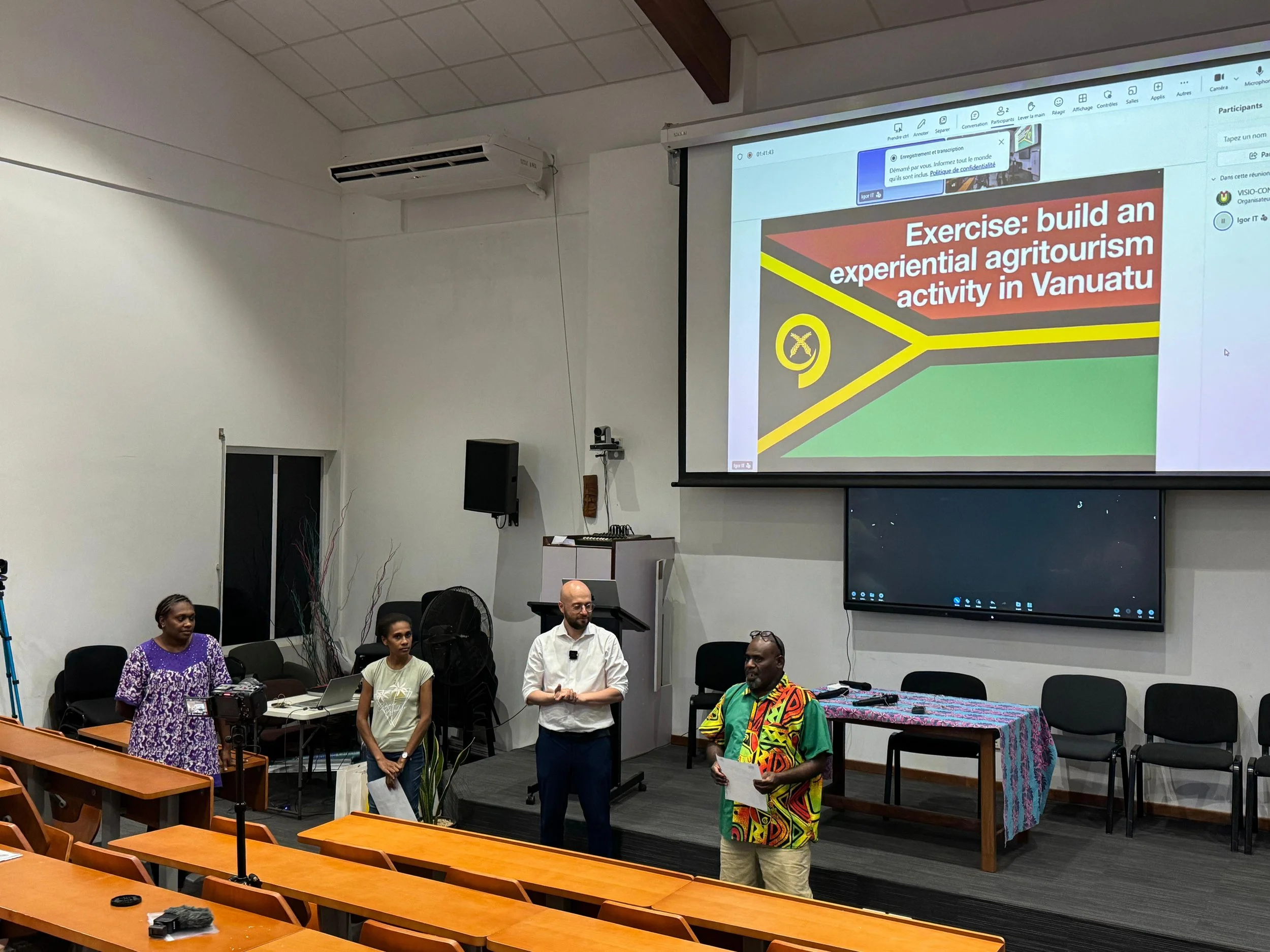
The Vanuatu programme focused on the theme of student engagement and motivation in digital courses concerning personal, social, cultural and environmental sustainability. It also provided an important opportunity to connect academic knowledge with local experience, field examples and community-based approaches to agritourism.
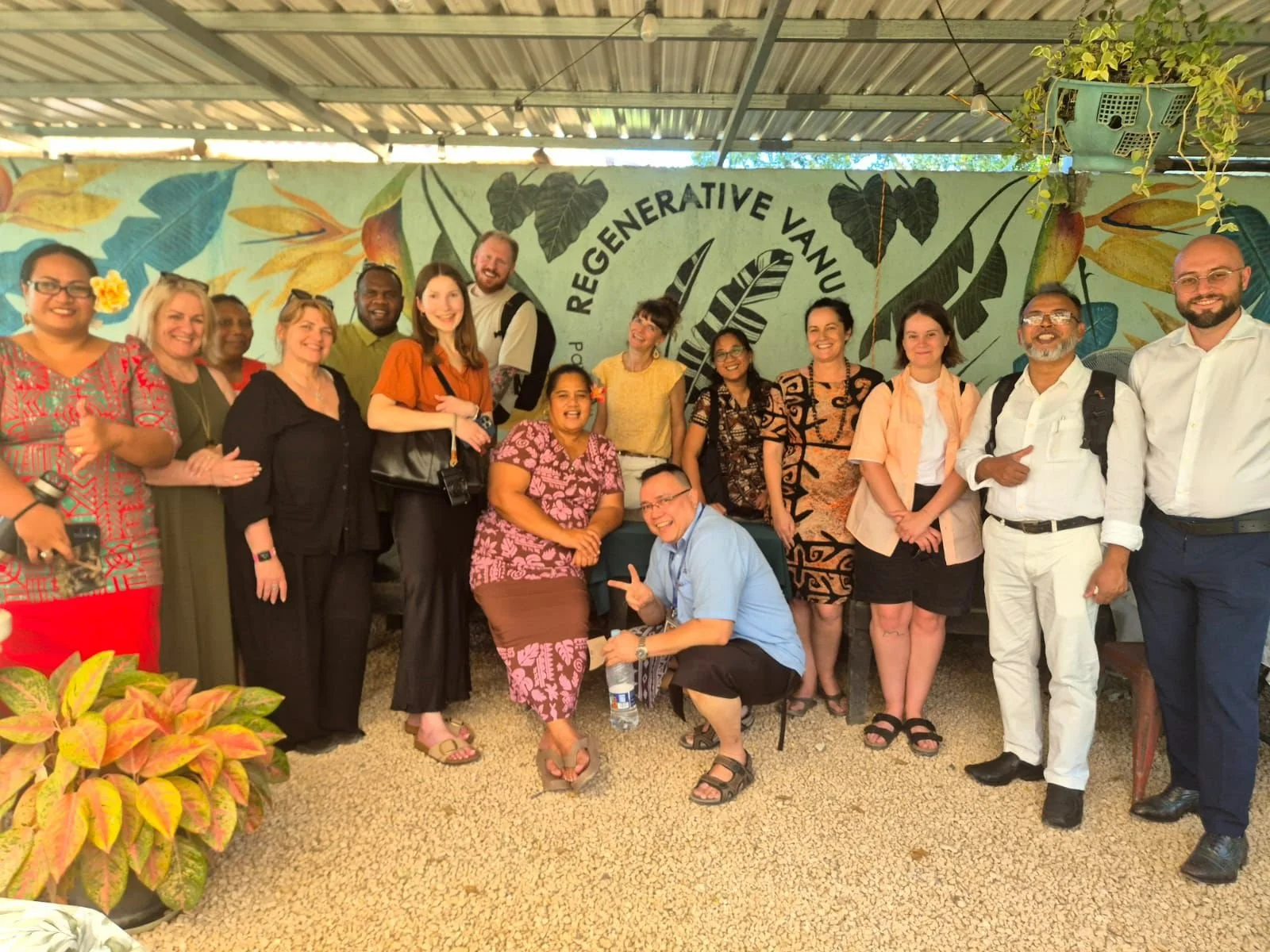
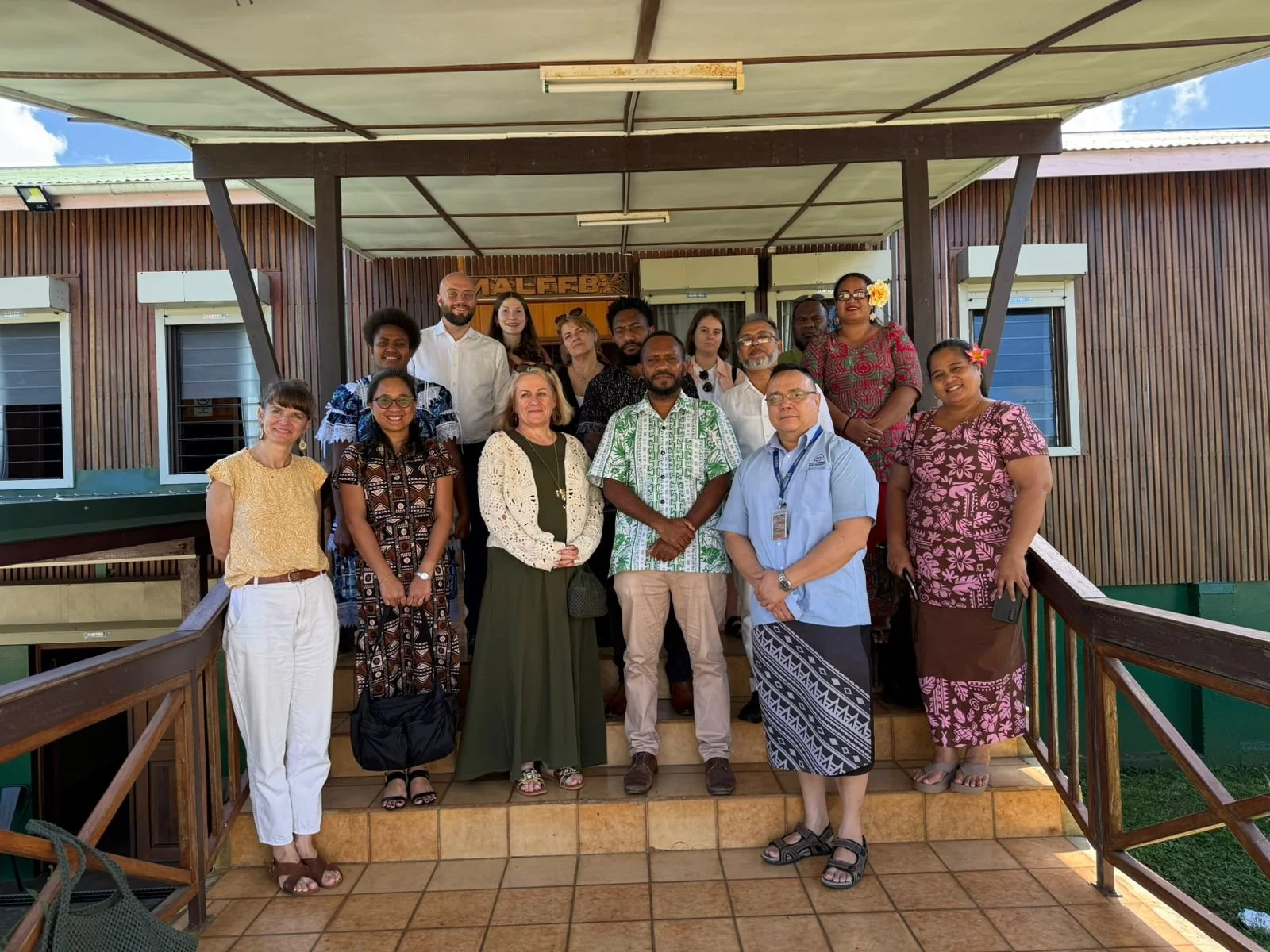
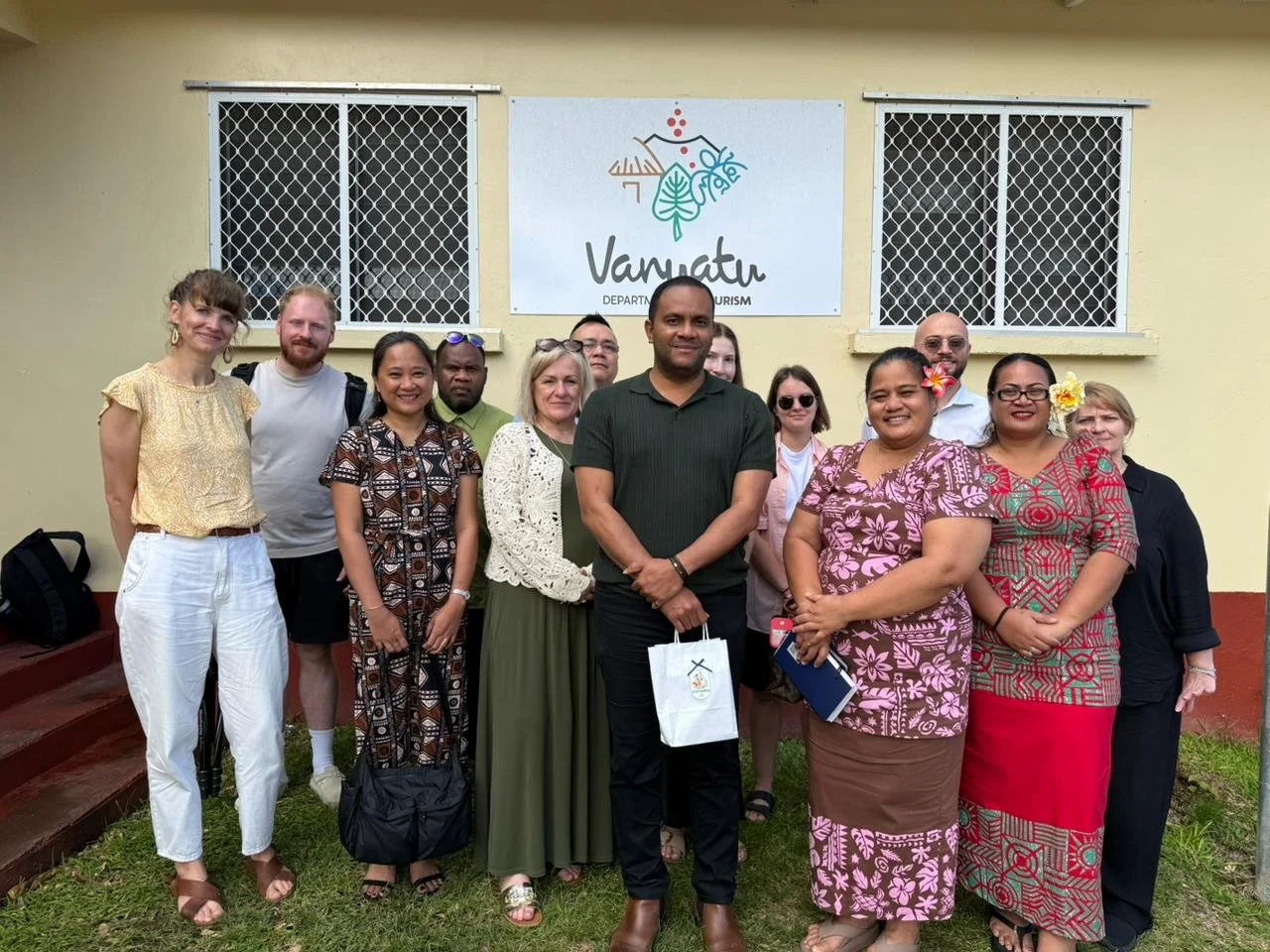
The first day opened with institutional meetings with representatives of the tourism and agriculture sectors, as well as the management of the National University of Vanuatu. These meetings helped strengthen the link between the project, higher education, public institutions and local development priorities. The programme also included the presentation of the Regenerative Vanua initiative, followed by the first training sessions dedicated to the neuroscience of food, experiential activities in agritourism and the cultural sustainability of food.
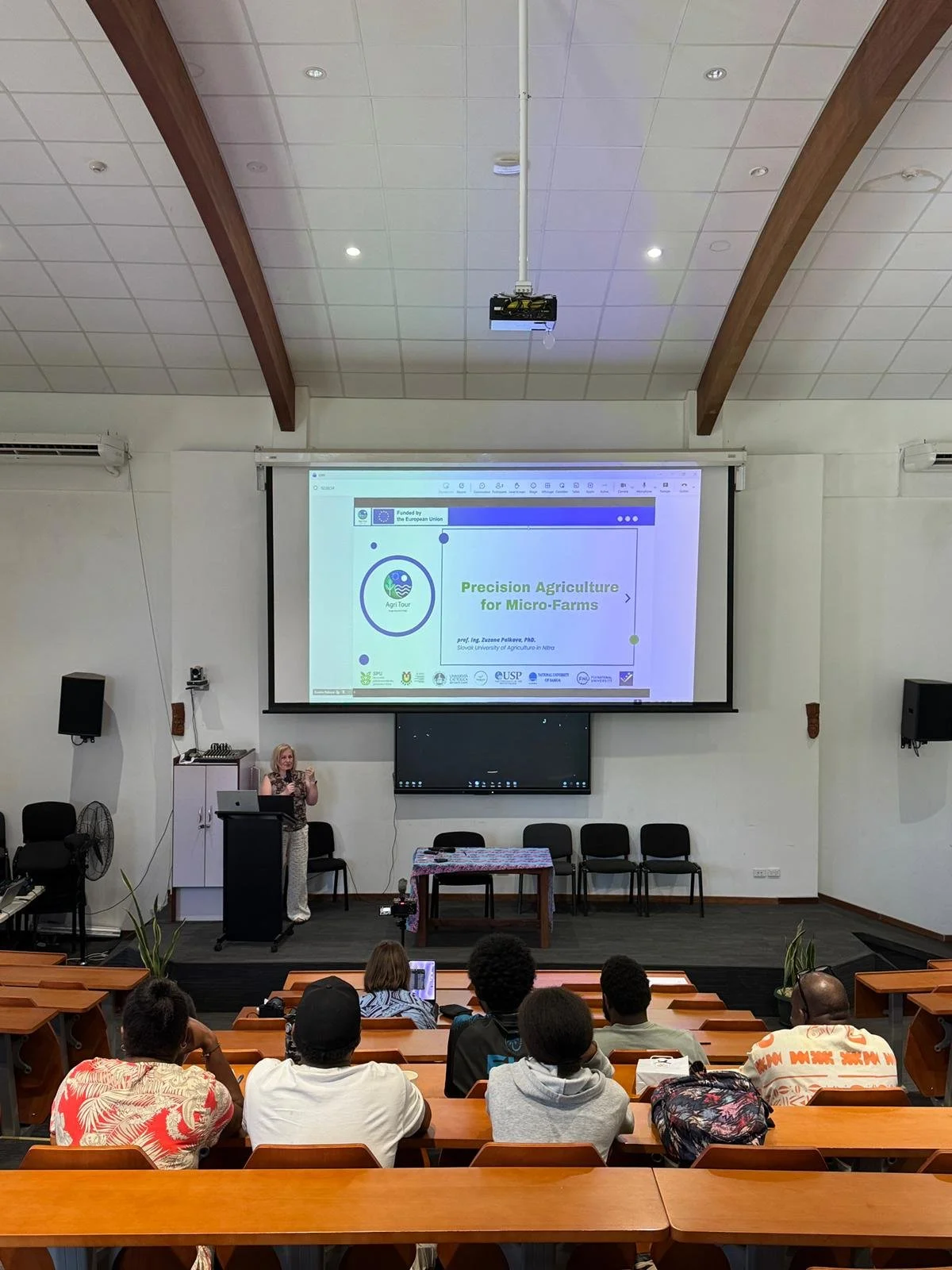
During the following days, project partners delivered a series of thematic sessions addressing key aspects of agritourism in remote island regions. The topics included rural culture in islands, the planning and practice of agritourism in Pacific Island contexts, precision agriculture in micro-farming, Samoan food culture, women’s empowerment and leadership in remote islands, micro-agritourism, preservation of local uniqueness and environmental rights in remote Pacific Island Countries.
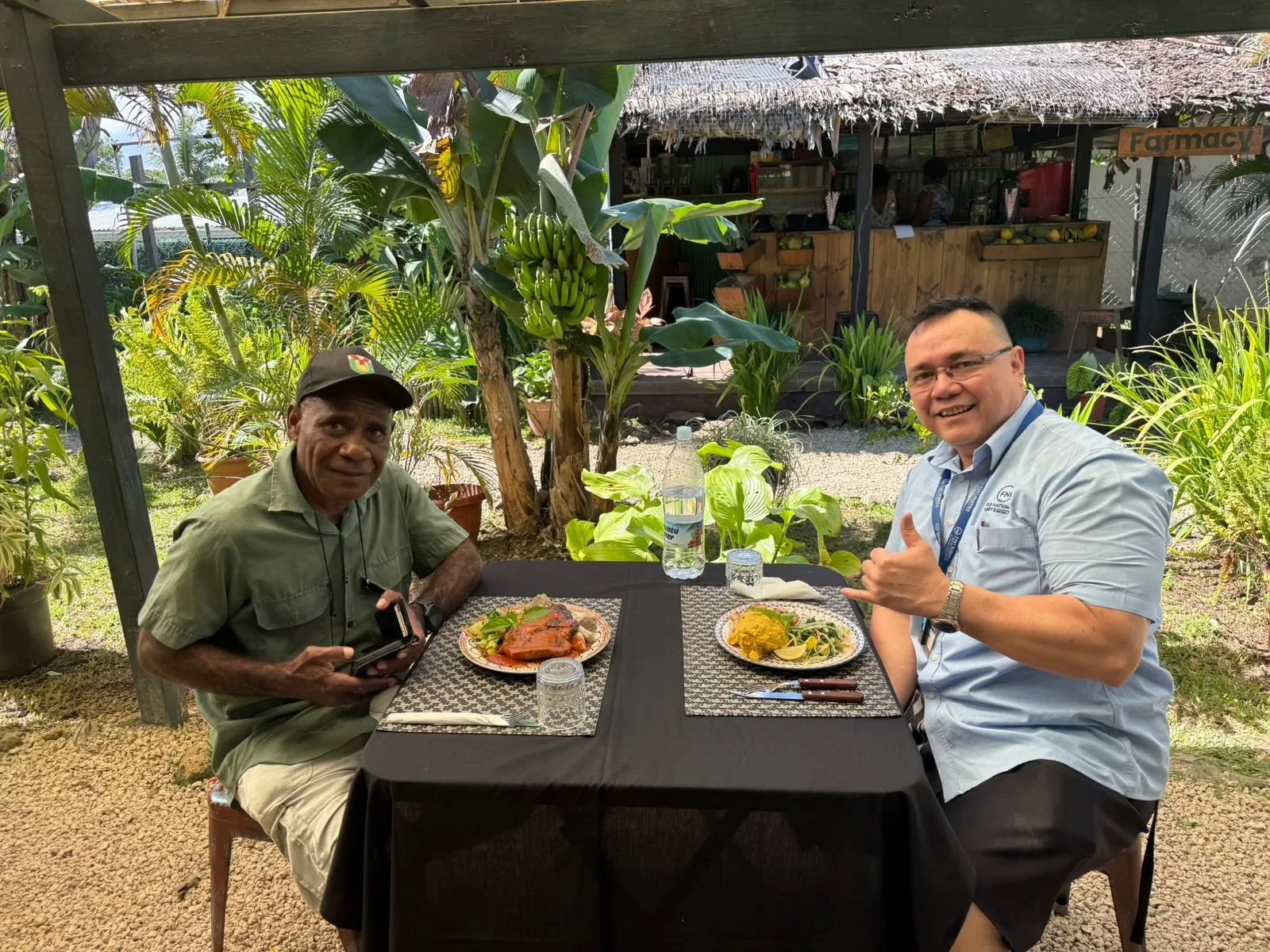
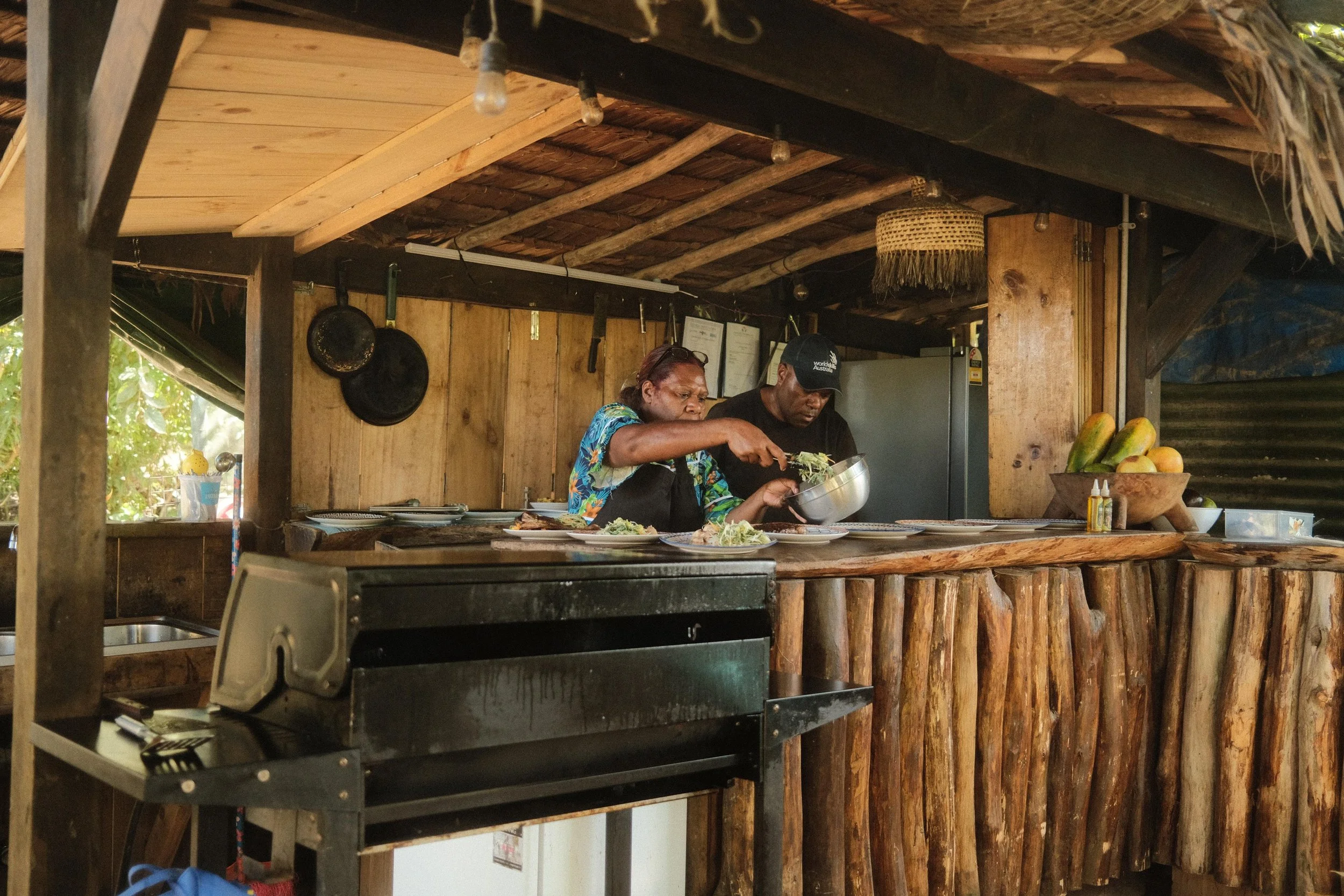
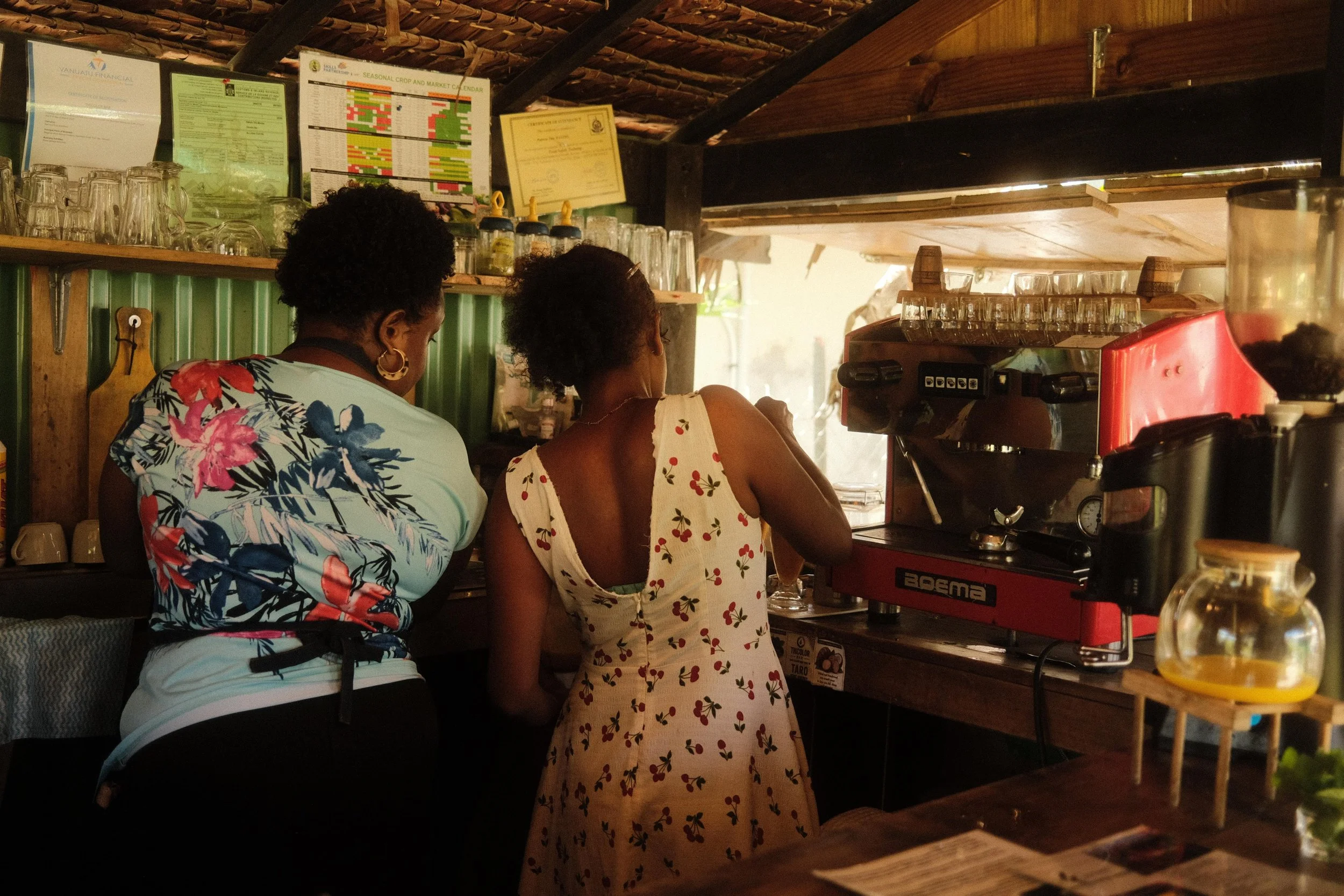
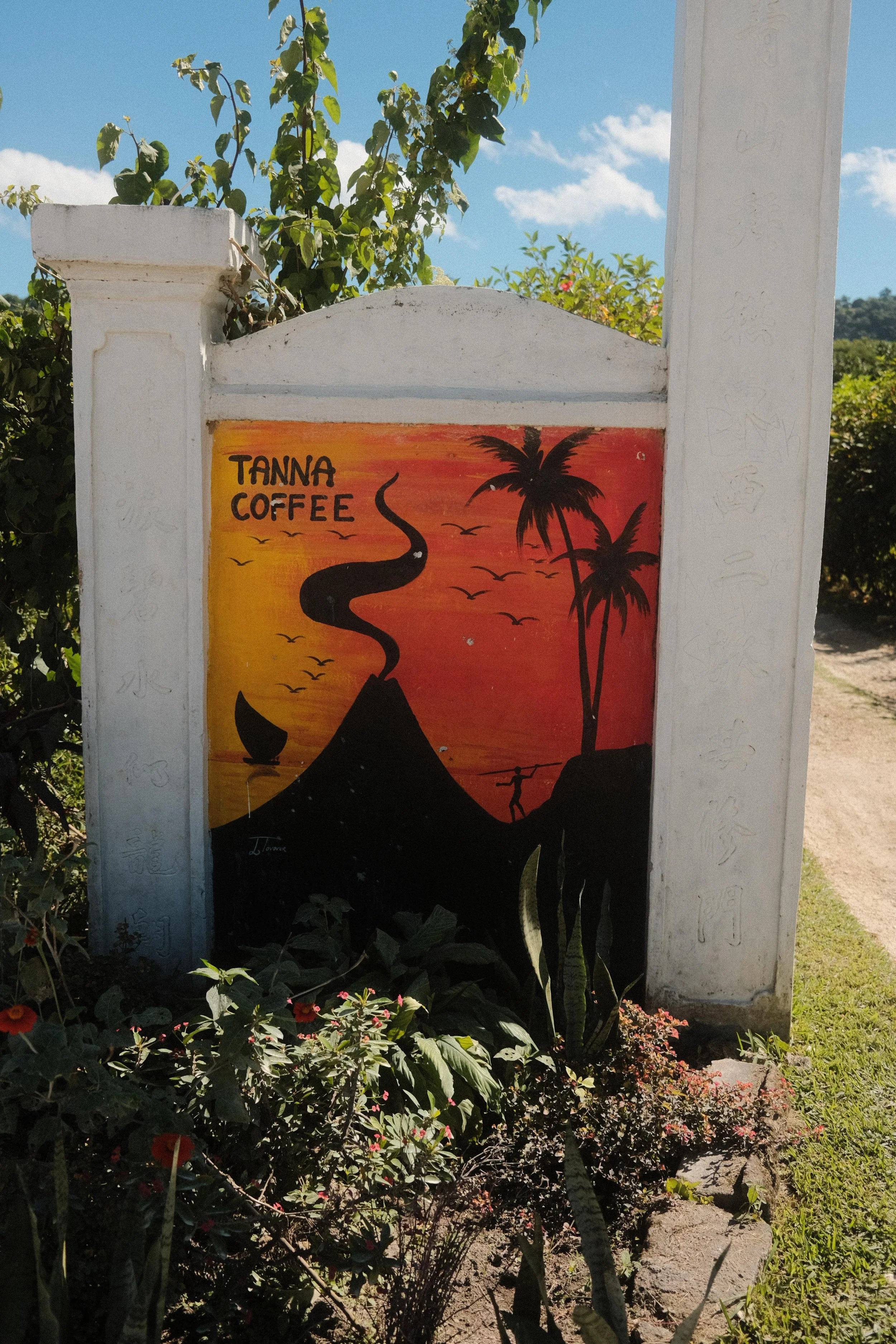
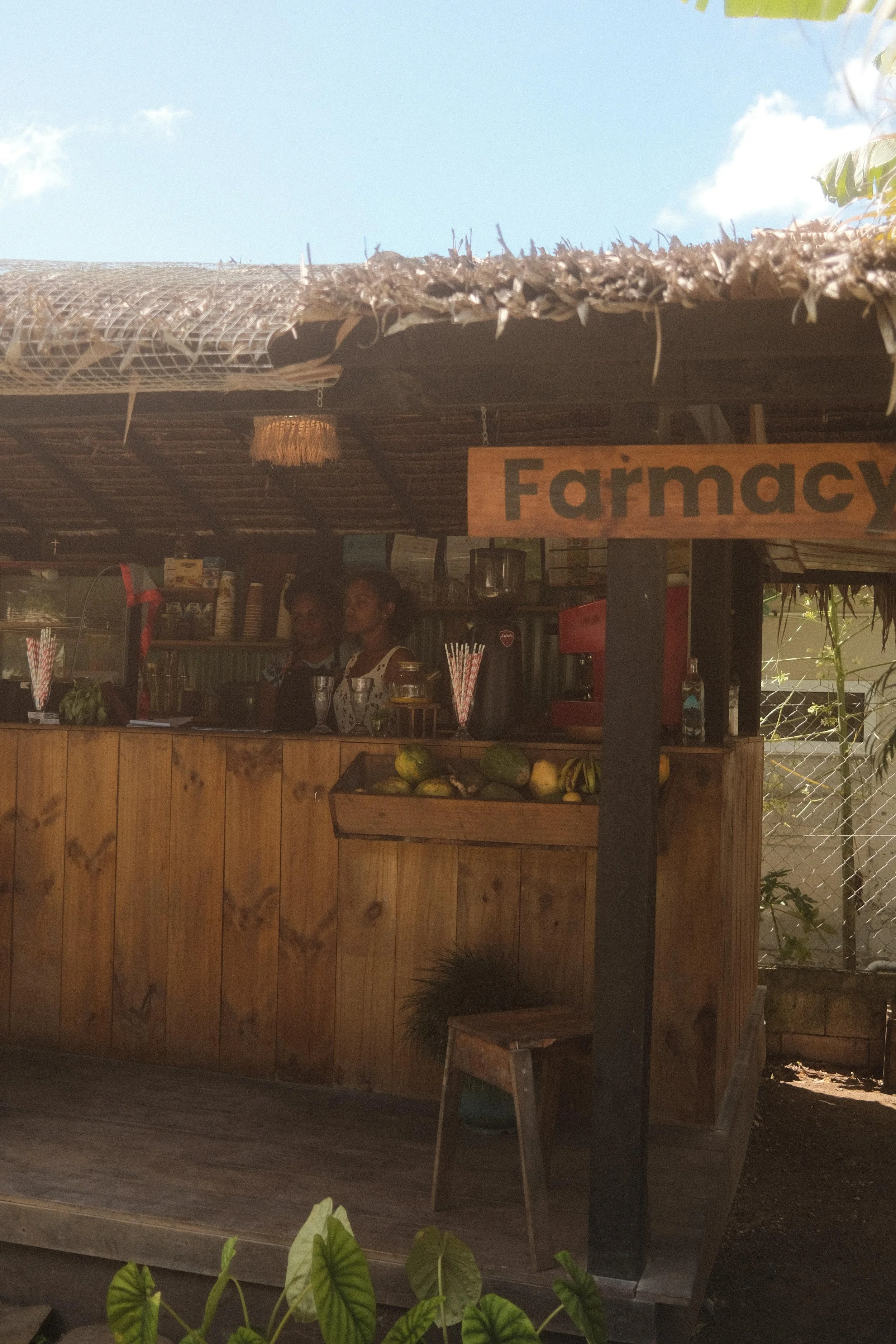
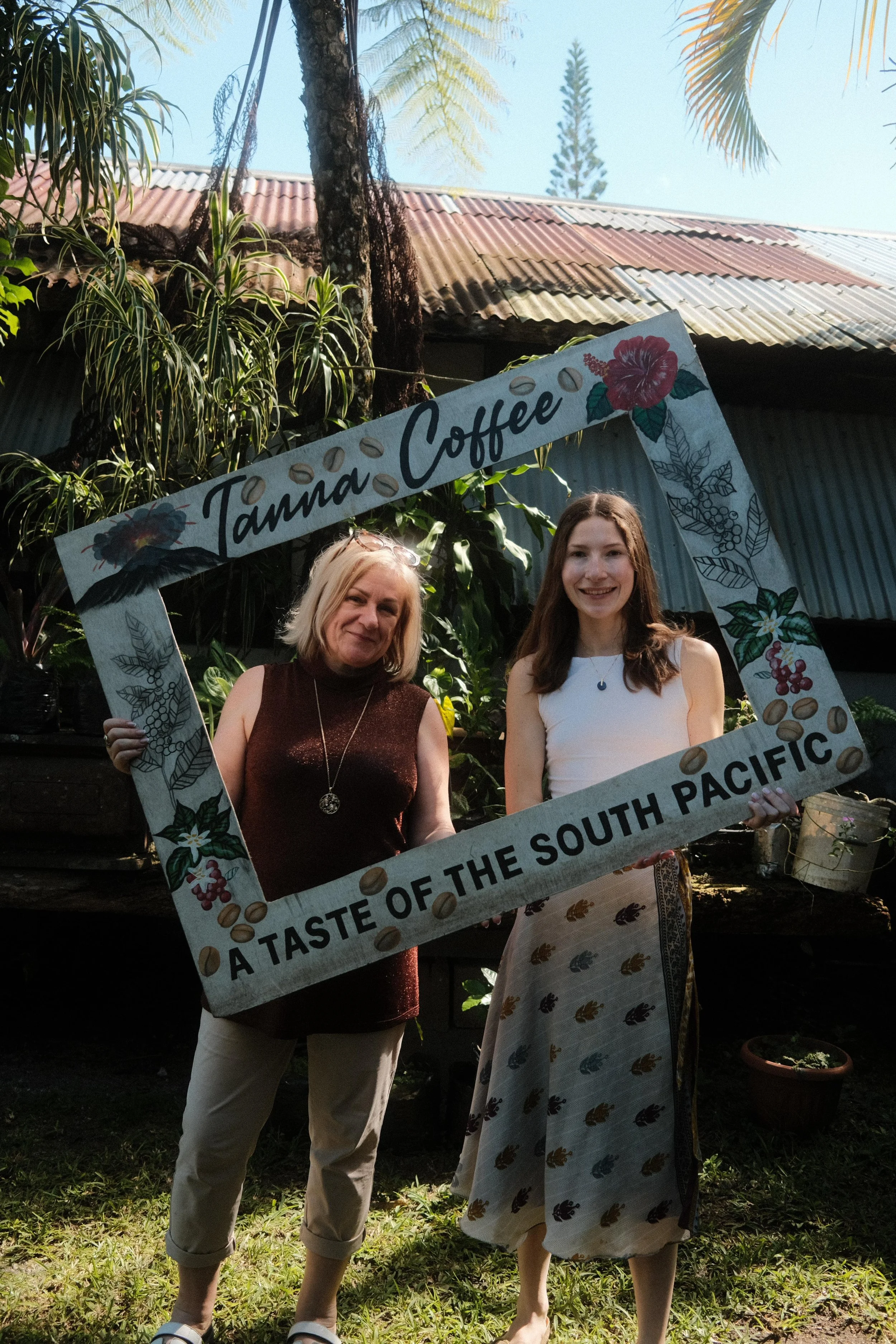
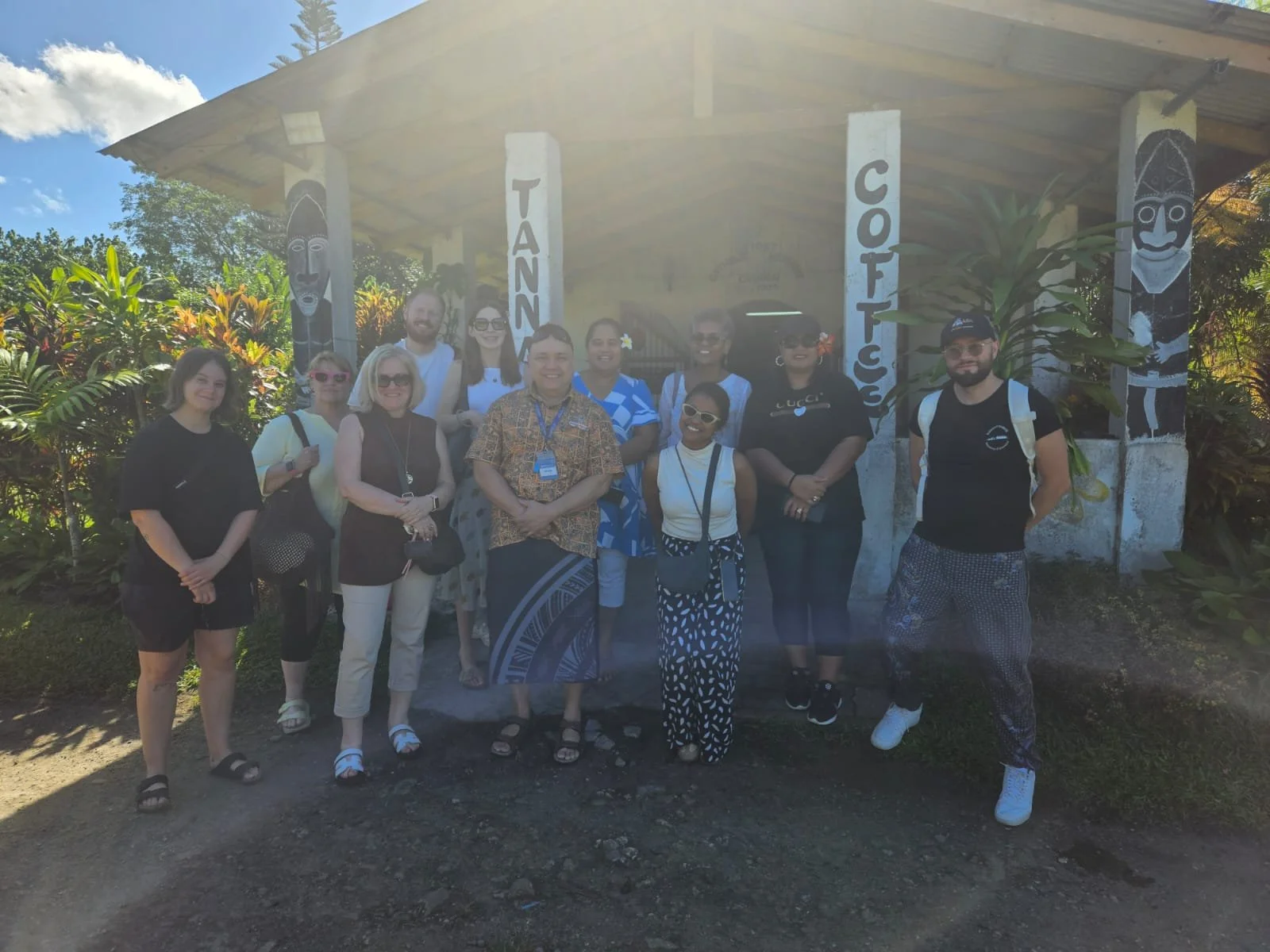
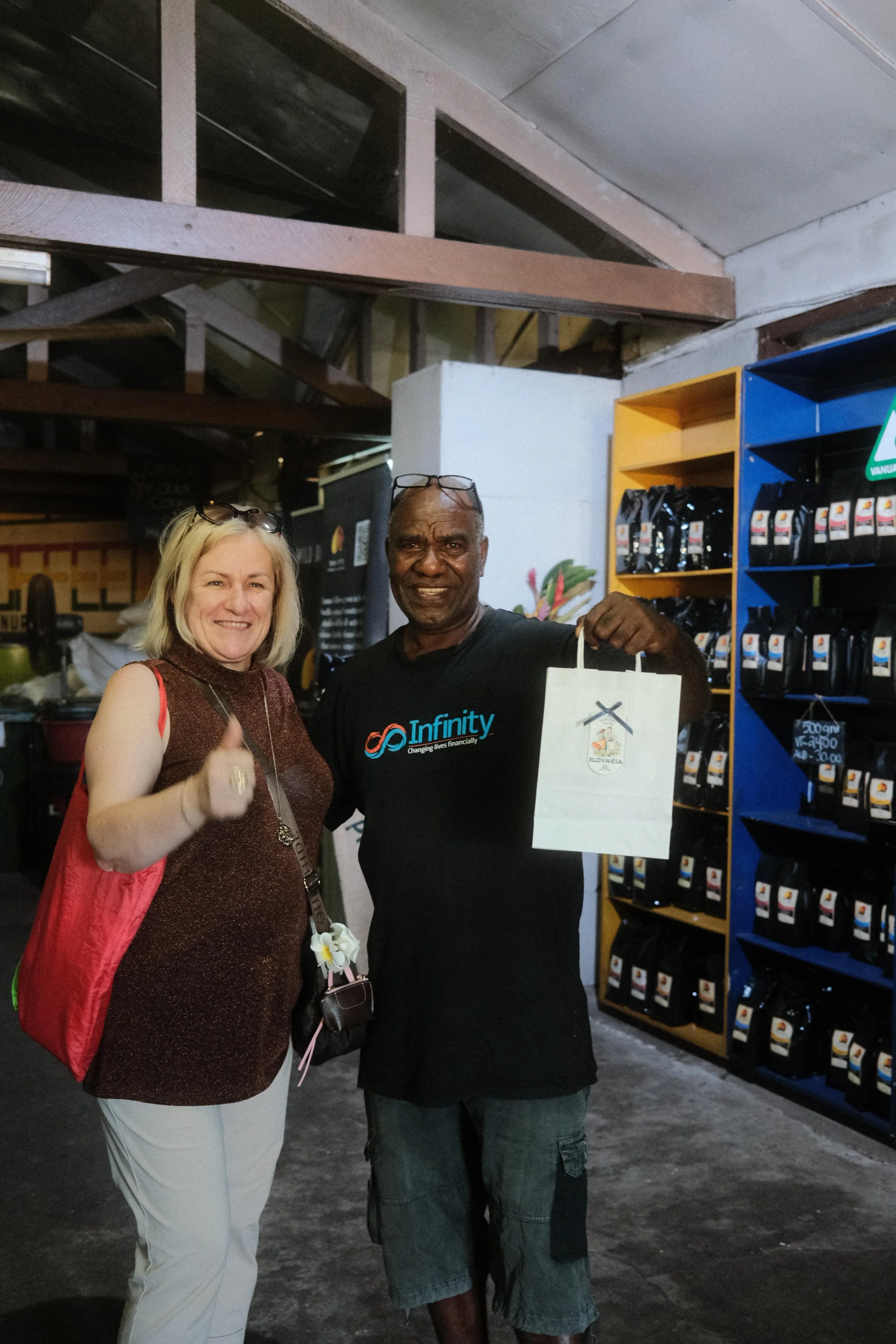
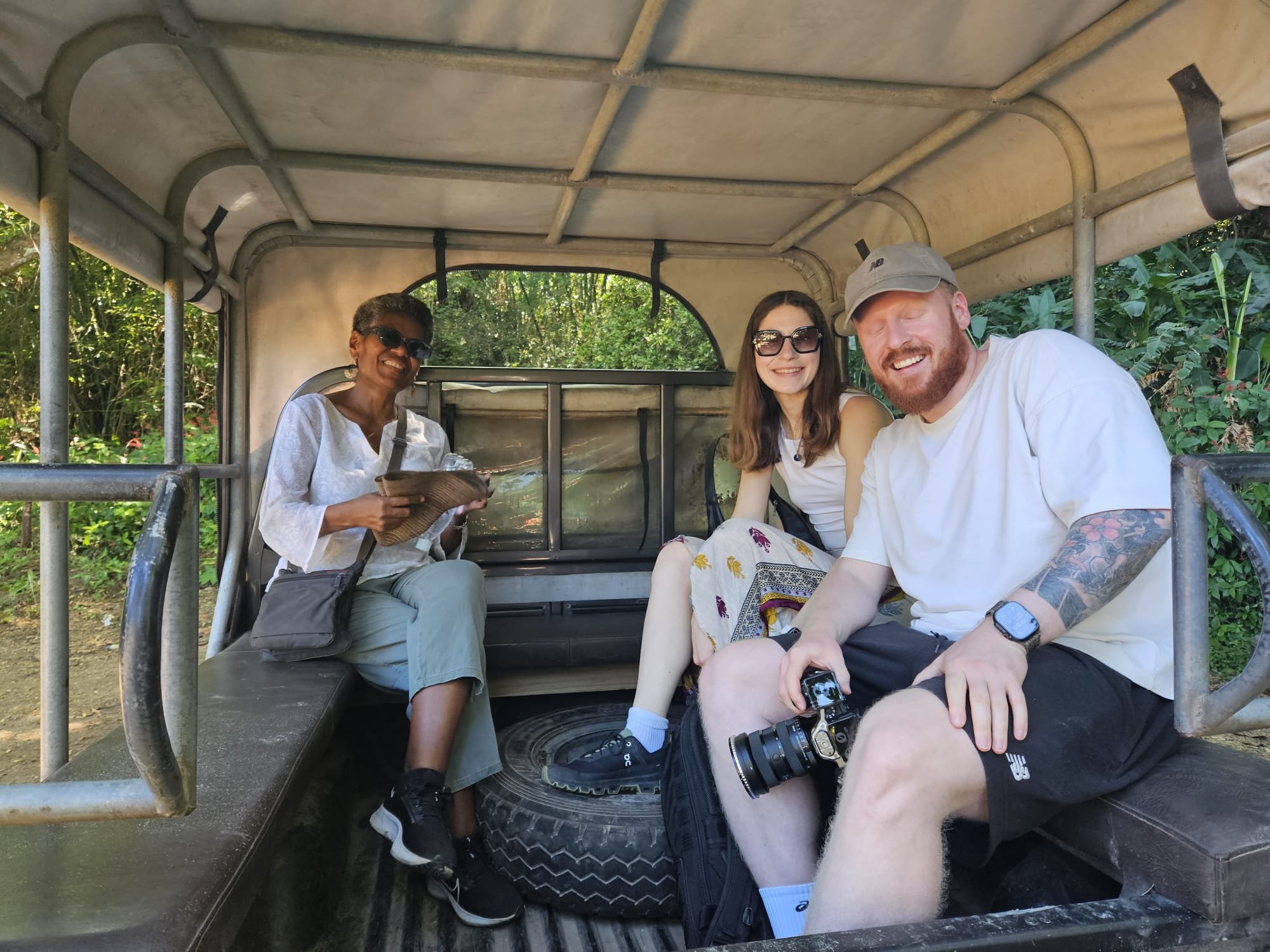
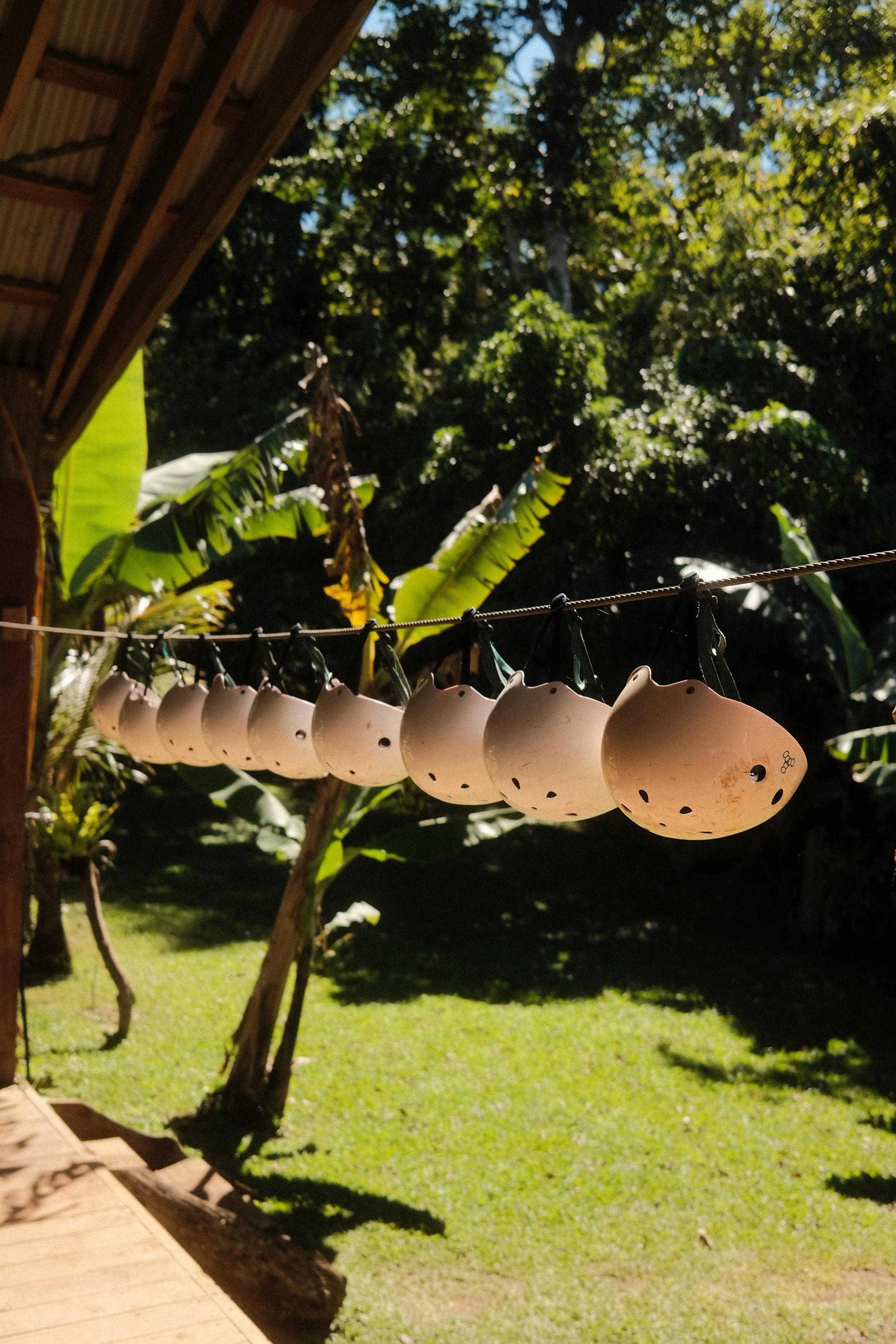
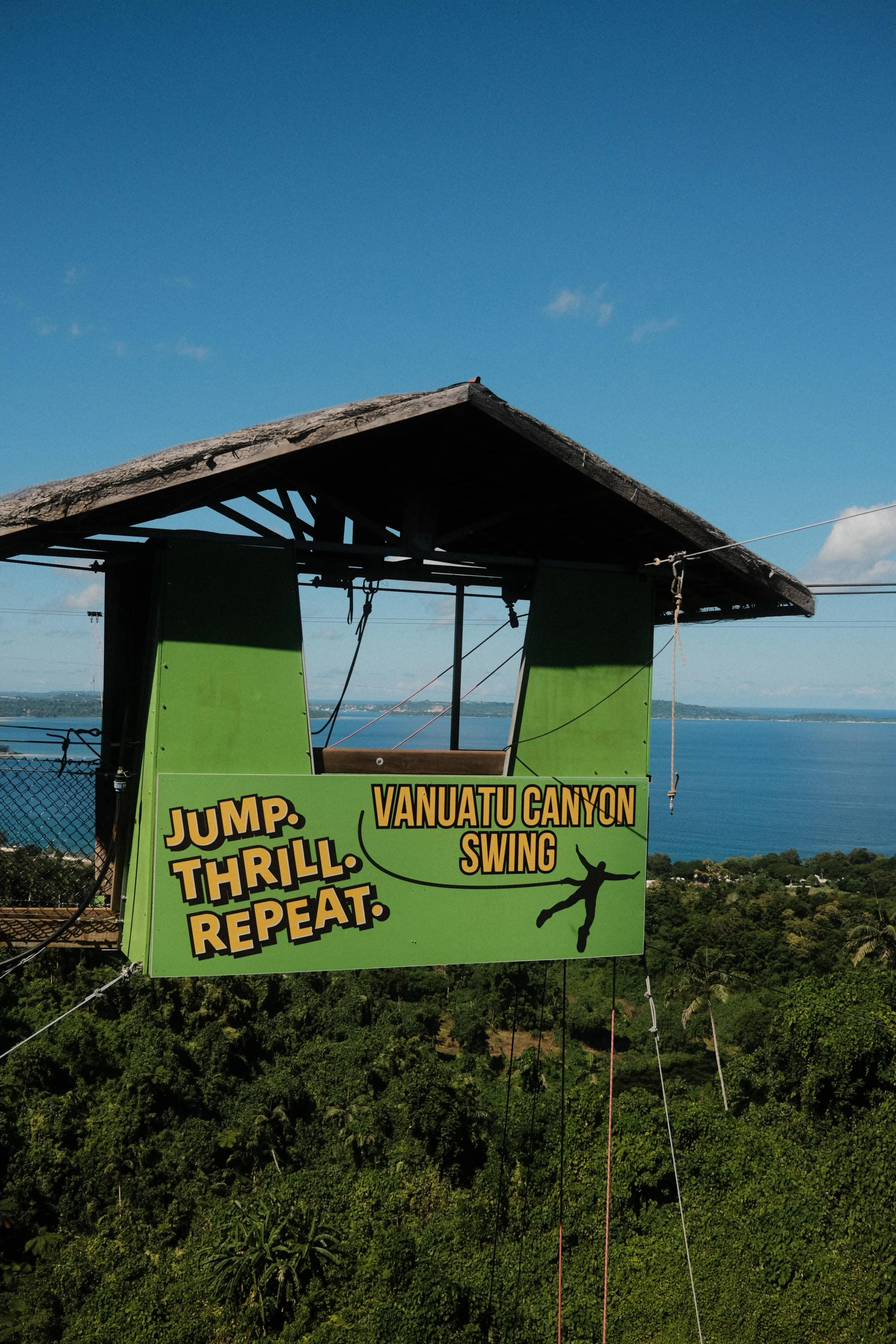
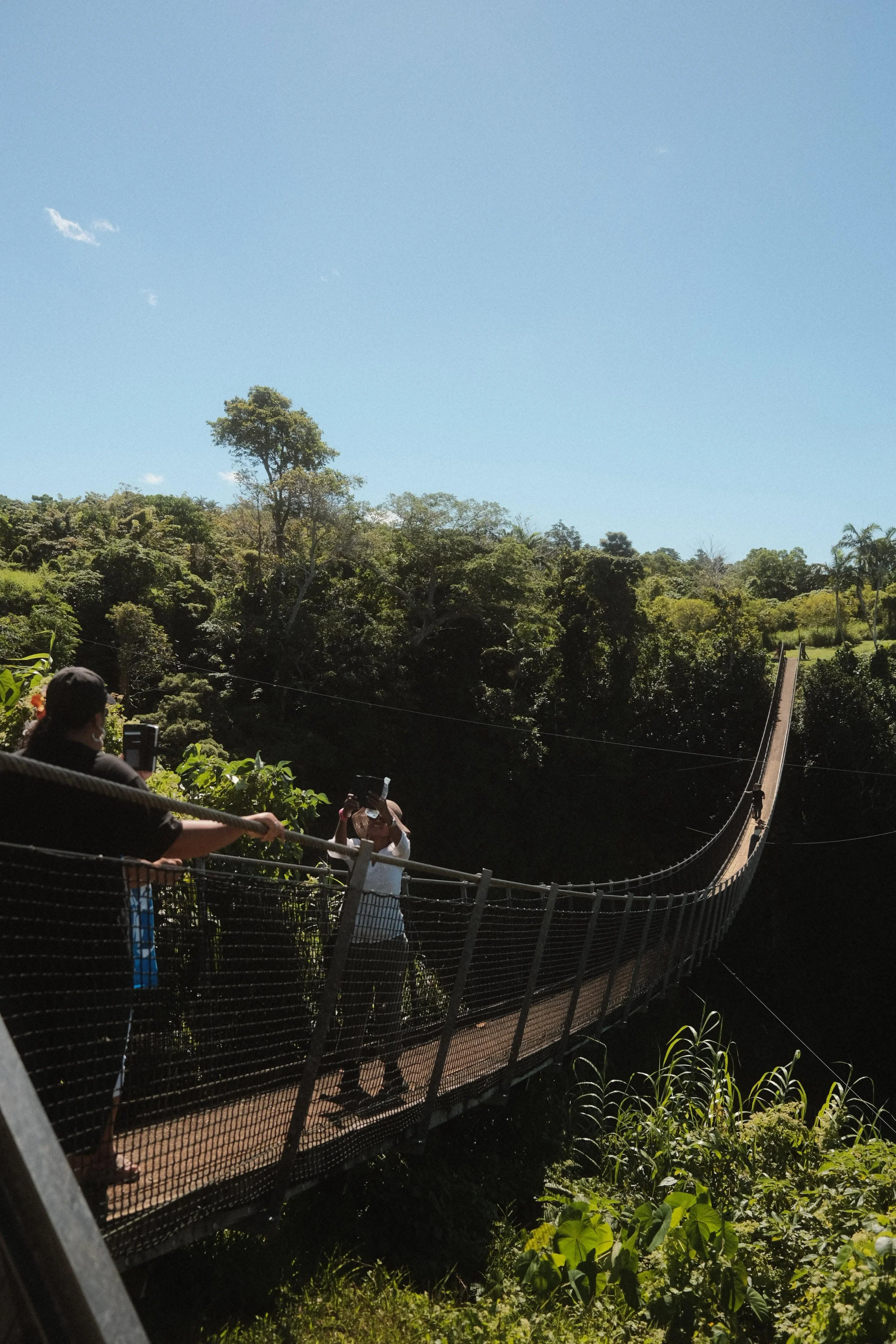
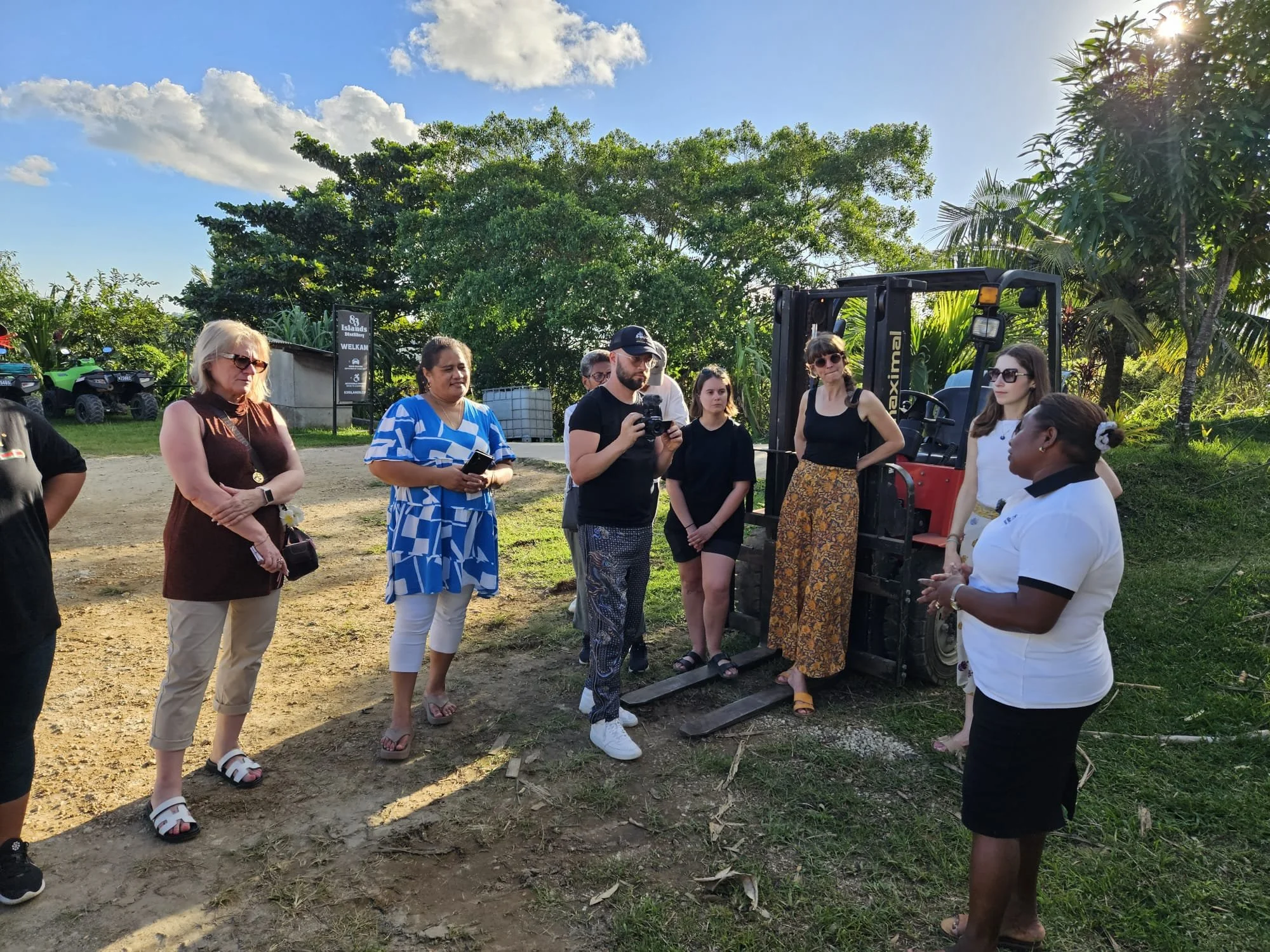
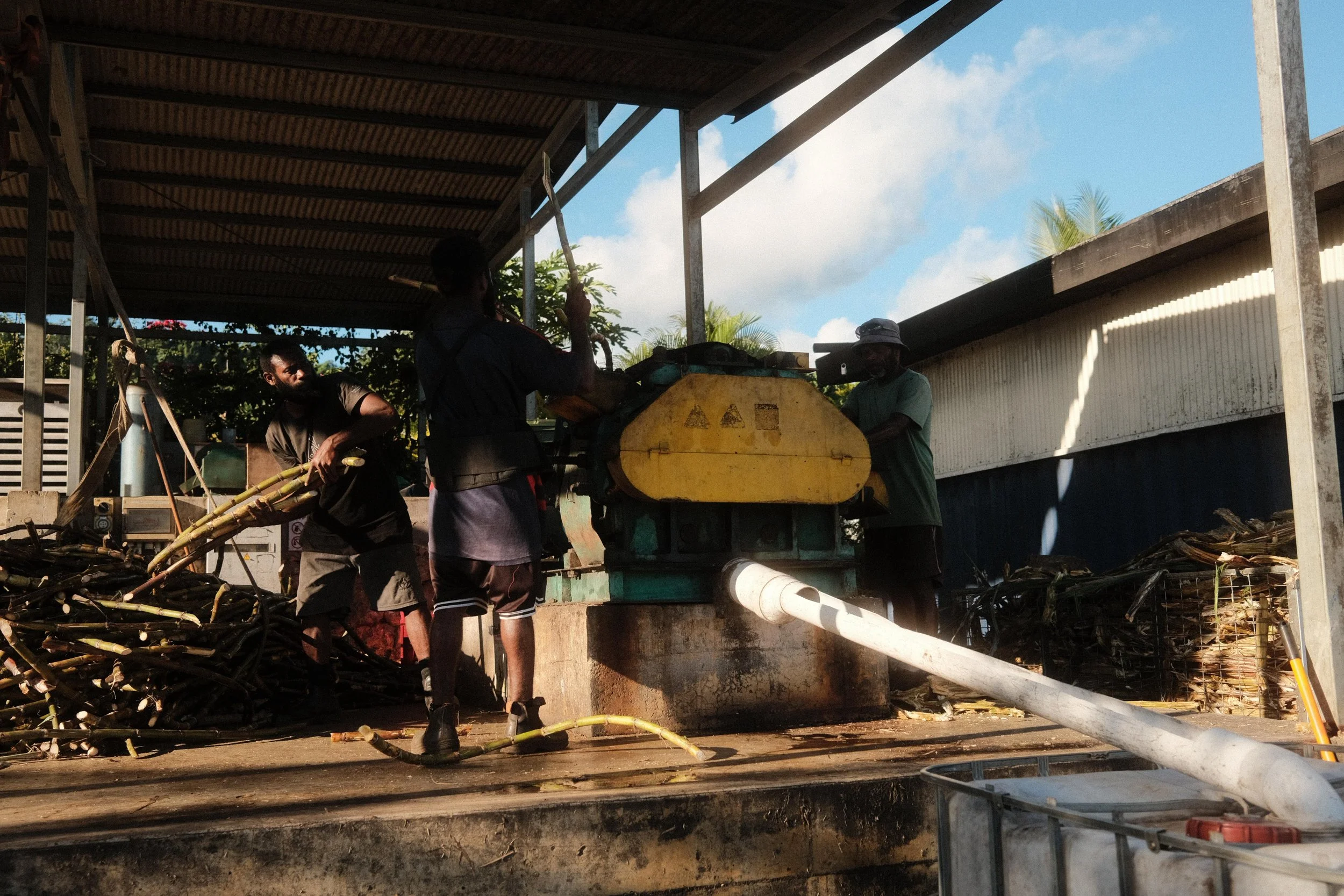
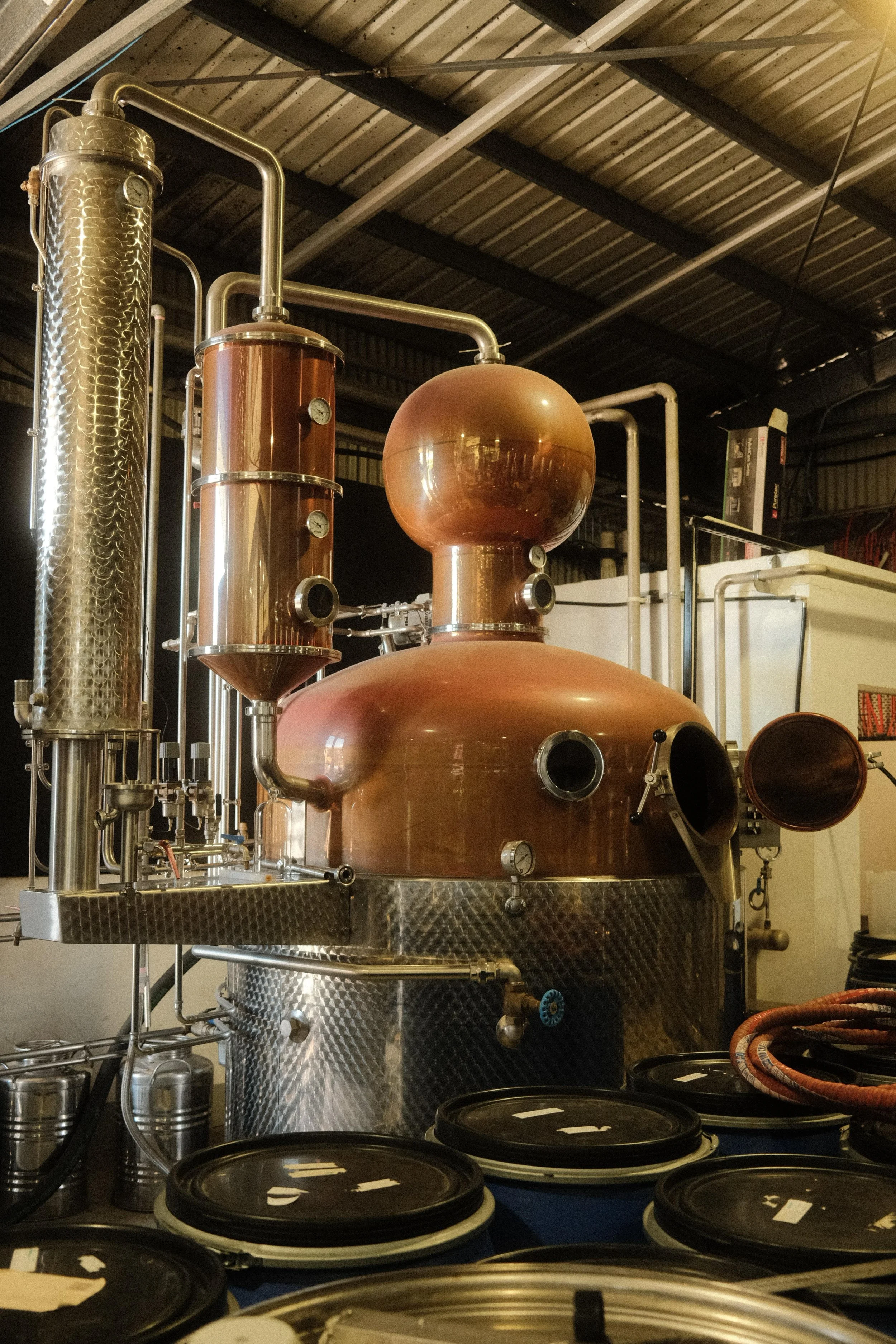
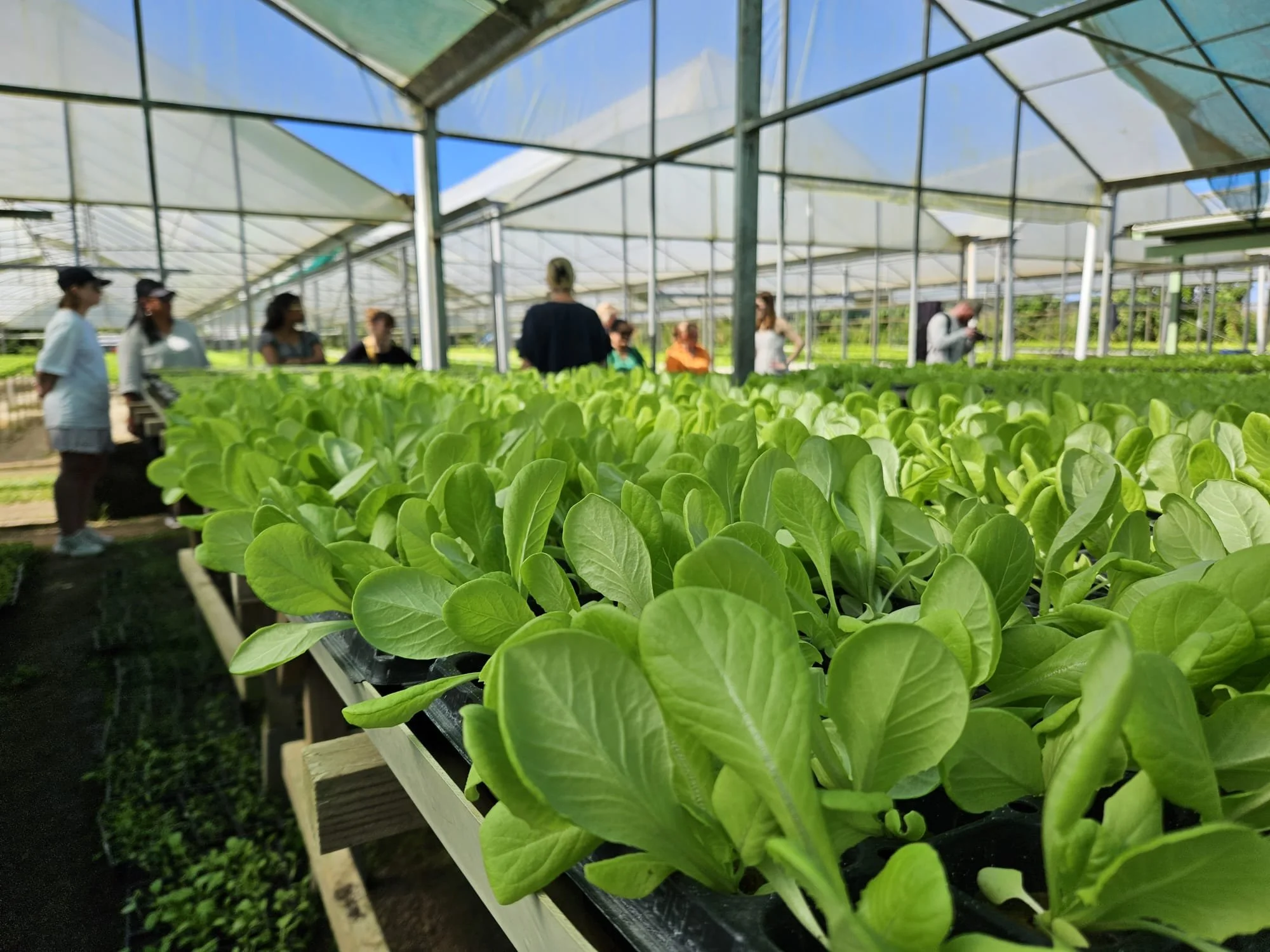
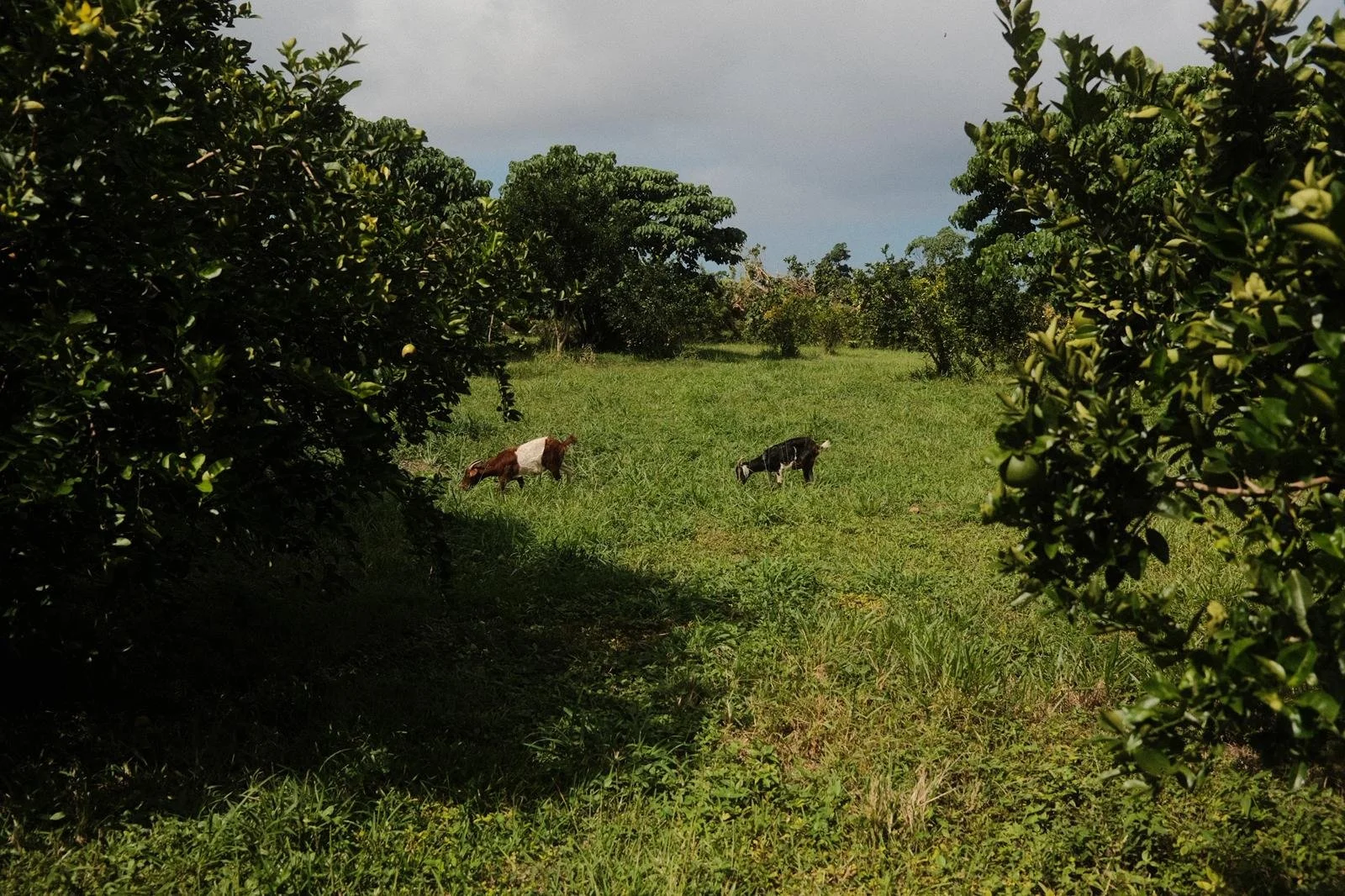
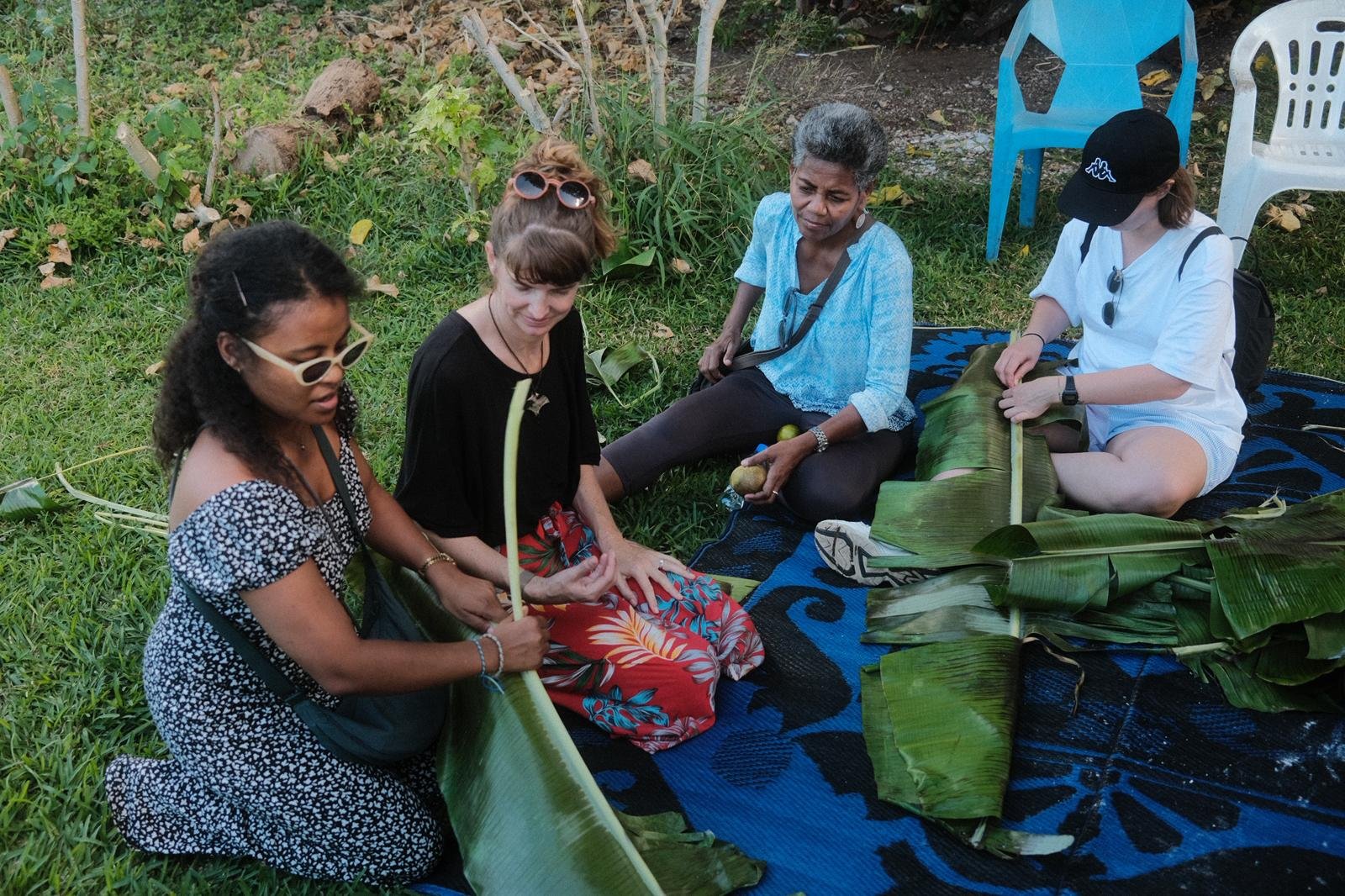
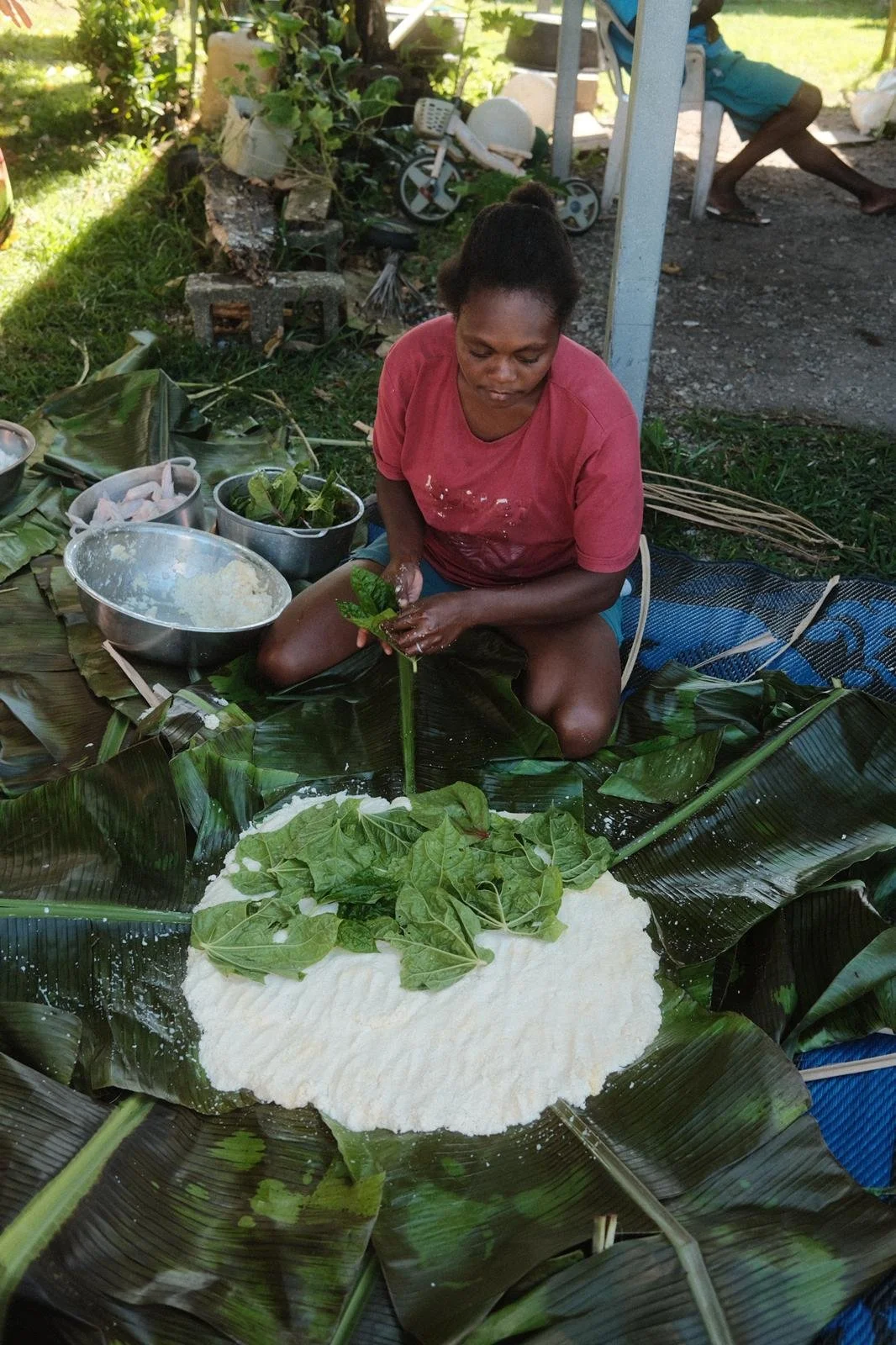
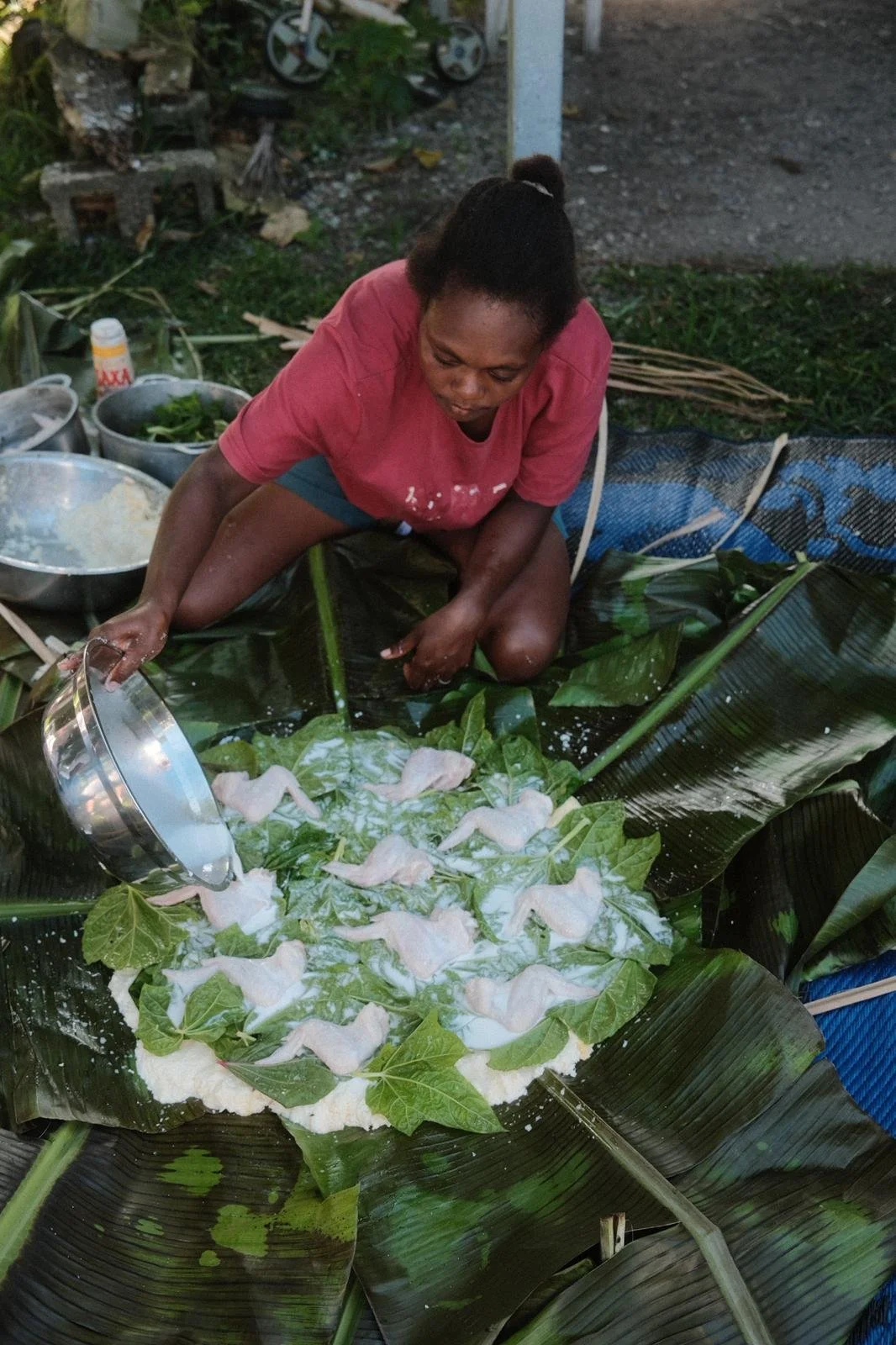
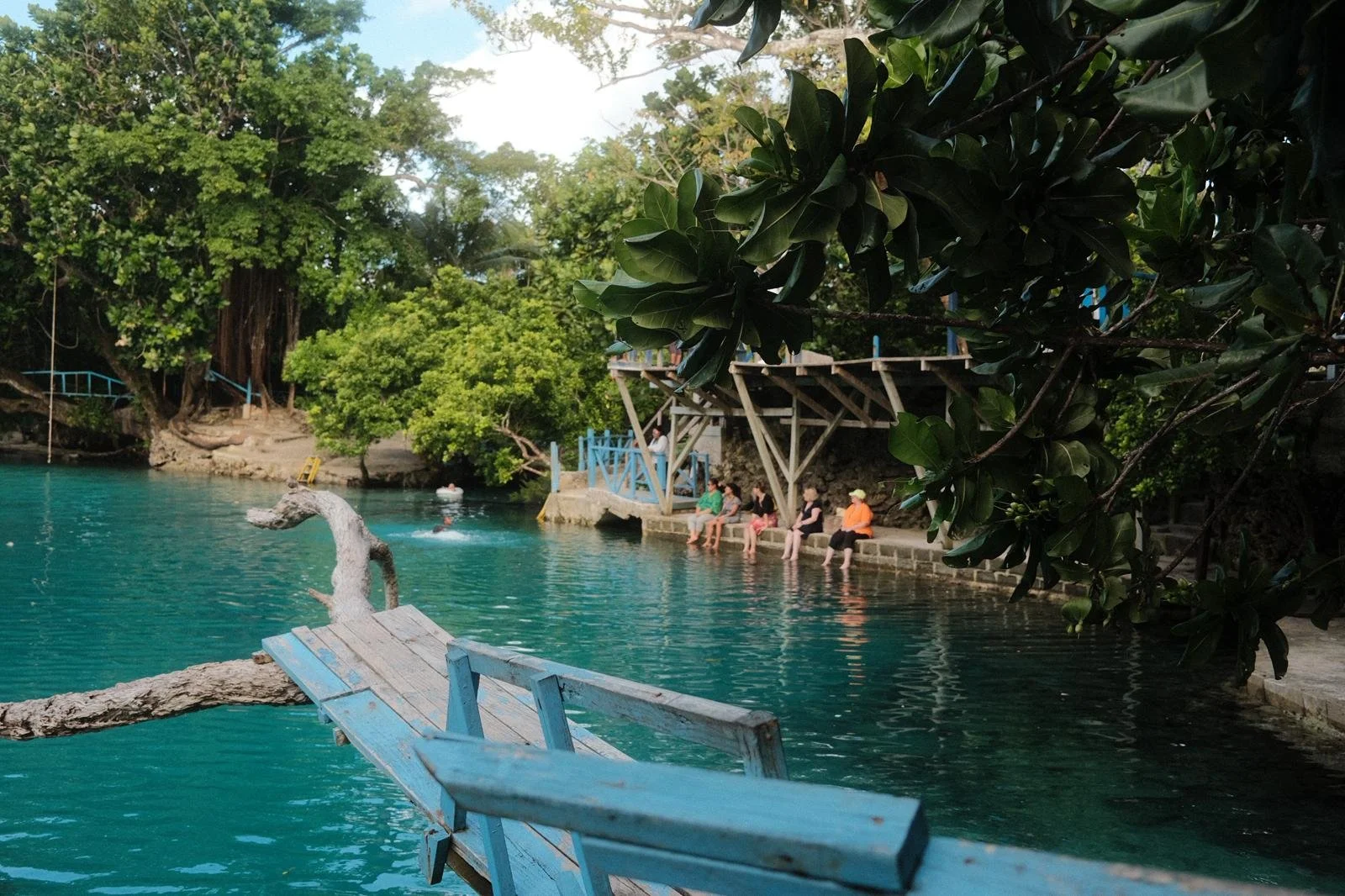
A strong practical component was included through field visits and audiovisual recording activities. The consortium visited local farms, food-related enterprises and natural sites that illustrate the connection between agriculture, tourism, food heritage and sustainability. These visits included, among others, a chocolate factory, coffee production, local farms, natural attractions and examples of local product use in tourism-related activities.
The Vanuatu activity had a direct educational output. Eight thematic lectures and approximately eight case studies were recorded during the programme. These materials are now being processed and edited and will contribute to the AGRI-TOUR online course, scripts, audioguides and future MOOC resources. The recordings will help students access practical examples of agritourism from remote island contexts and understand how local food, culture, farming and tourism can be connected in a sustainable way.
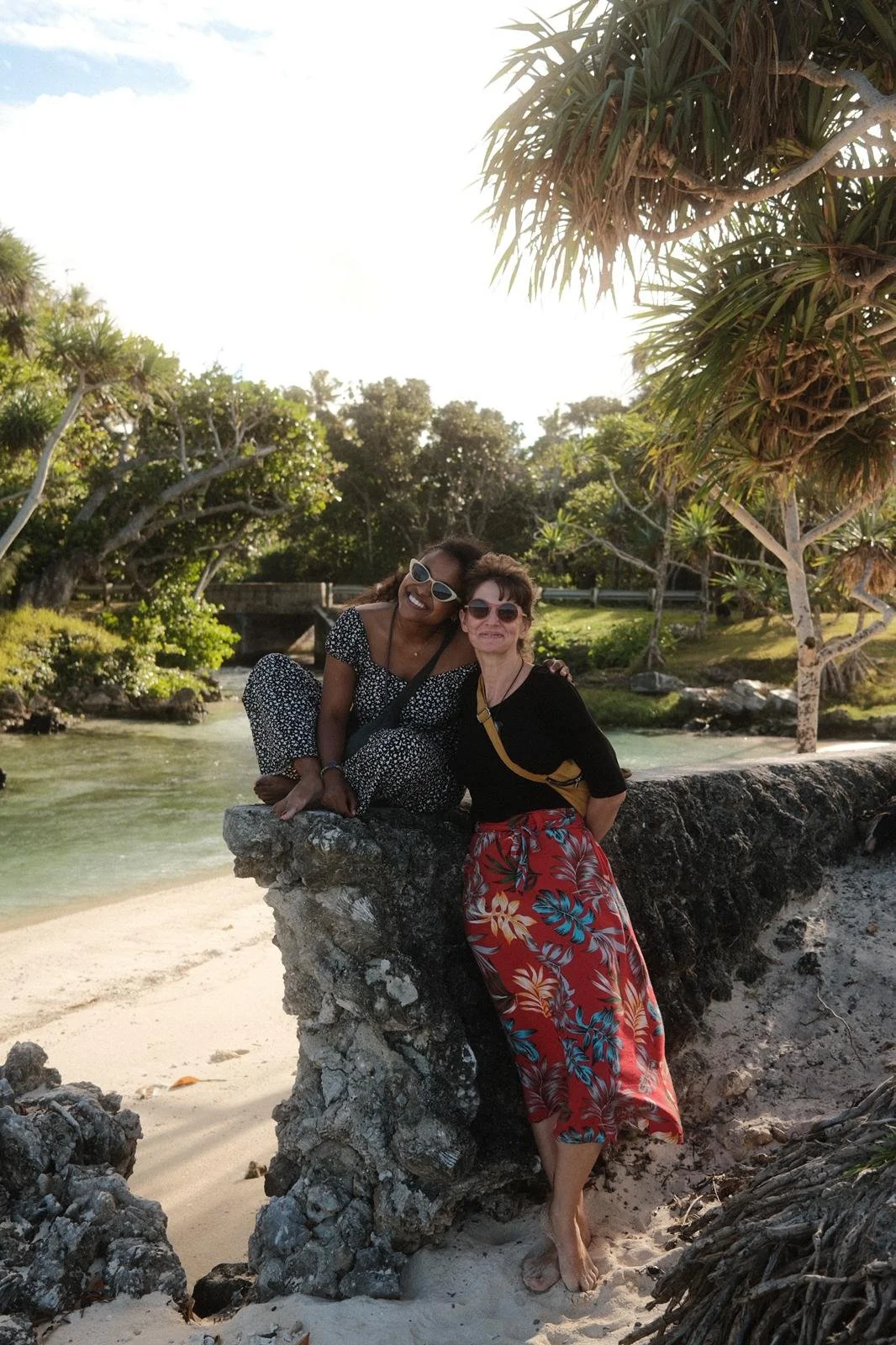
The Capacity Building in Vanuatu also strengthened cooperation among European and Pacific partners. It supported knowledge exchange on how European Green Deal and Farm to Fork principles can be adapted to Pacific realities without replacing local traditions, cultural values or community knowledge. The activity showed that sustainable agritourism in remote islands is not only about tourism development, but also about protecting local identity, supporting rural livelihoods, improving education and creating opportunities for future professionals.
By combining institutional meetings, expert sessions, field visits and audiovisual production, the Vanuatu Capacity Building activity contributed to the next phase of AGRI-TOUR. It provided concrete content for the digital learning platform, strengthened the partnership’s understanding of Pacific island contexts and supported the project’s long-term objective: to build practical, accessible and culturally relevant agritourism education between Europe and the Pacific.