
Agri Tour Digital Library
Welcome to the Courses section, where you can explore the full range of training sessions delivered during our Capacity Building programmes in Fiji and Samoa. Each course combines expert lectures, practical demonstrations, and real-world case studies focused on agritourism, sustainability, gastronomy, and the Applied Green Deal in the Pacific.
Dive into the topics, discover best practices, and learn directly from international specialists and local experts.
-
European Policies and Projects for Sustainable Food Systems
-
The Bologna Process in the Era of the Green Deal
This course introduces the Bologna Process and its tools—EHEA, ECTS, the three-cycle study system, quality assurance, and mutual recognition of qualifications. It explains how these principles support mobility, transparency, and modernisation of higher education, linking them with the sustainability goals of the European Green Deal and their relevance for Pacific universities.
-
EU Funding Programs for Food, Tourism & Environmental Innovation
Europe offers powerful funding tools for education, agriculture, tourism, and environmental innovation. This course explains how Pacific institutions can access Erasmus+, Horizon Europe, the Green-Blue Alliance, and other programs to strengthen skills, build partnerships, and create sustainable development opportunities.
-
How to write a projects
This category explores how EU strategies, programmes, and funding mechanisms—such as Erasmus+, the Green Deal, and Global Gateway—support innovation, capacity building, and sustainable development in agriculture, food systems, and tourism. Courses help participants understand how European frameworks guide project design, academic cooperation, and institutional growth.
-
Best practices of EU Projects on food practices
Discover how innovative EU projects transform food systems through education, digital tools, and community engagement. Learn from real examples that reduced food waste, revitalised rural regions, and strengthened agri-food value chains across Europe.
-
-
Sustainable Food Movements and Gastronomy Innovations
-
Eco-Gastronomy in Action
Discover how sustainable gastronomy connects flavor, culture, and environmental responsibility. Learn how chefs, farmers, and communities can reduce waste, choose greener ingredients, and create meaningful food experiences.
-
Tradition, Innovation, and Local Impact
Traditional food carries stories, identity, and culture. This course explores how communities can preserve culinary heritage while embracing innovation that keeps traditions alive. Learn how food tourism, local value chains, and creative reinterpretations can strengthen regional identity and create sustainable impact.
-
Farm to Fork in Practice
The Farm to Fork approach connects sustainable farming, responsible production, and conscious consumption. This course shows how local producers, tourism operators, and communities can work together to create healthier food systems, stronger value chains, and meaningful farm-to-table experiences.
-
-
From Haute Cuisine to Agritourism
Meet your instructors ✳
Zuzana Palková
Digitalisation, Rural Innovation & Sustainable Agritourism
Zuzana focuses on digital innovation and rural development, with a special interest in how modern technologies can strengthen agritourism and sustainable food systems. Her work connects education, research, and practice to support communities in linking agriculture, tourism, and local culture. Within the Agri Tour project, she contributes expertise in digital transformation and capacity building, helping design learning tools that empower students, farmers, and rural entrepreneurs. She has led and co-created several Erasmus+ and Horizon Europe projects that promote green skills, digitalisation, and modern training programmes across Europe and the Pacific.

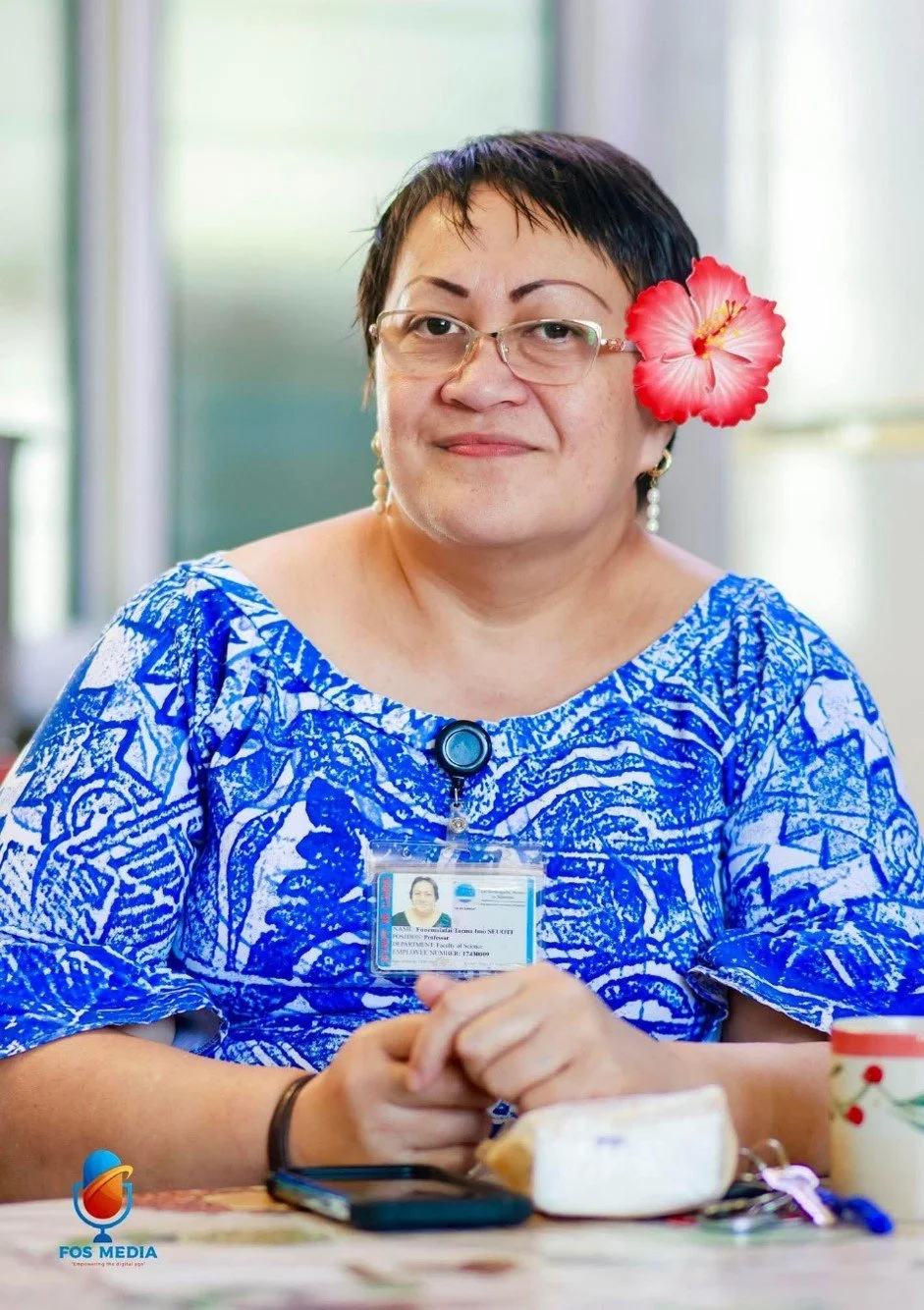
Taema Imo-Seuoti
Climate Change, Environmental Science & Sustainable Development Specialist
Taema Imo-Seuoti is an educator and researcher specializing in climate change, environmental science, and sustainable development. At the National University of Samoa, she led and coordinated the AgriTour project, connecting education, research, and practice to strengthen climate resilience in rural communities. Her work also supports international collaboration in climate education, digital innovation, and sustainable resource management, linking science, policy, and community action.
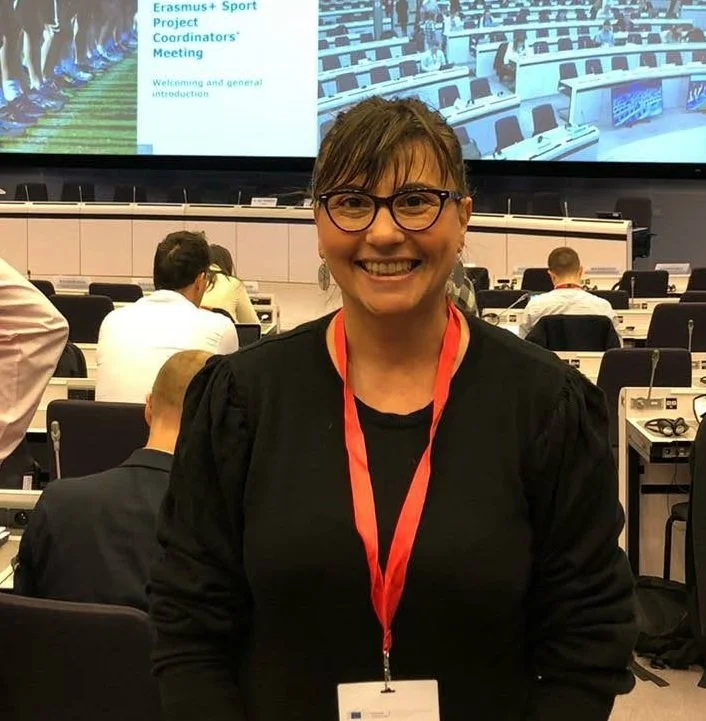
Dolores Forgione
European project manager, proposal writer and social researcher
Project Manager of EU funded projects. Since 2007, she has been working as Project Manager of European funded projects taking care of writing and submitting the proposal, managing the partnership and the relation with the Funding Authority and finally, of the reporting duties. Besides, she is specialised in coordinating dissemination and communication activities of the project she is involved in by drafting dissemination plan and coordinating the dissemination activities (as organisation of events) and developing dissemination/communication tools.
Vitale Igor Vaslav
Work & Organizational Psychologist supporting companies and individuals in reaching personal wellbeing and performance.
Vitale teaches strategies for implementing synergies between agriculture and tourism and has operated for several farming companies, restaurants, hotels from 3 to 5 luxury stars in Italy and beyond in over 55 countries in 5 different continents. In the Agri-tour project, Vitale deals with the topics of Haute Cuisine, Neuroscience of Food and Effective Agri-tourism strategies.
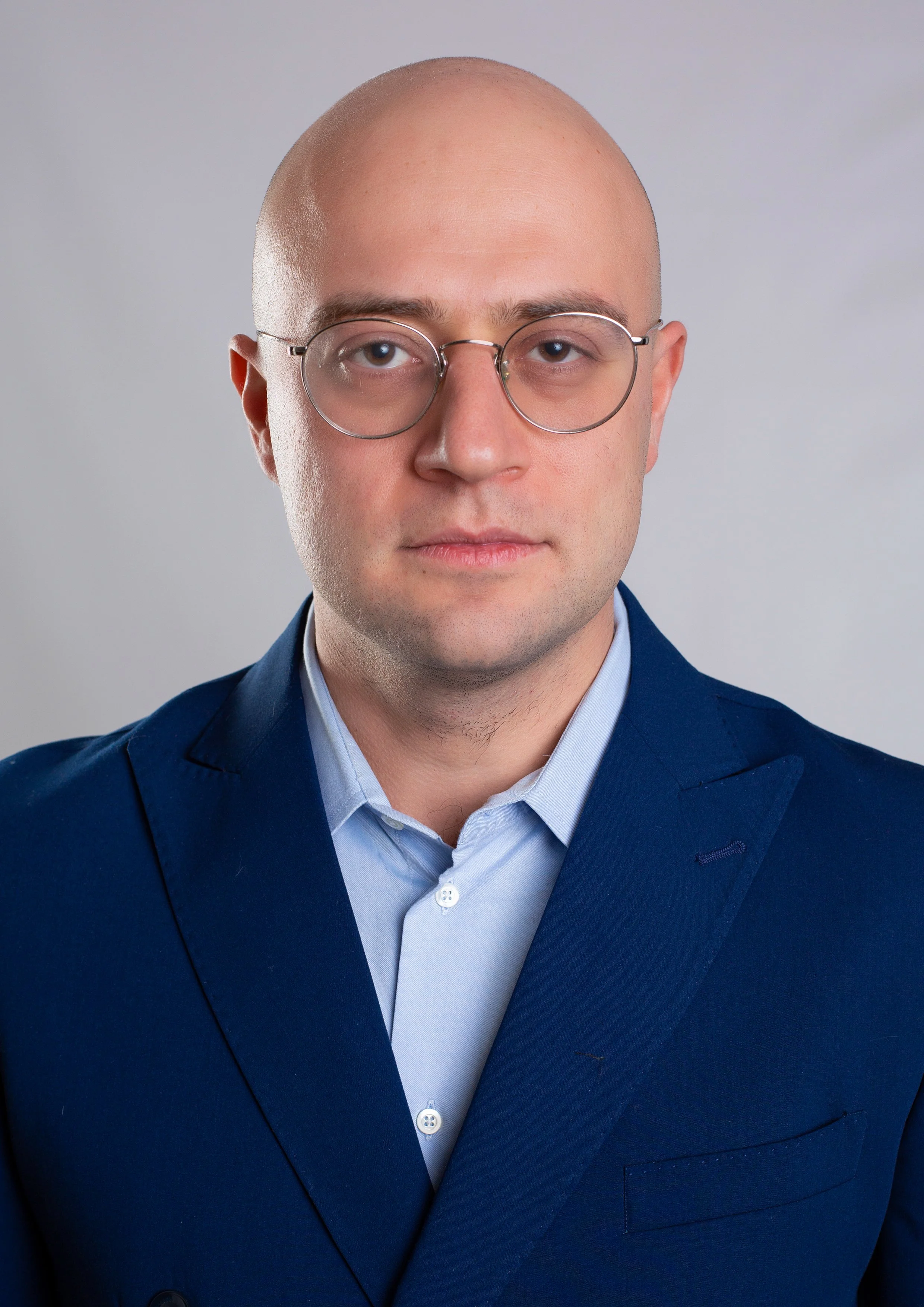
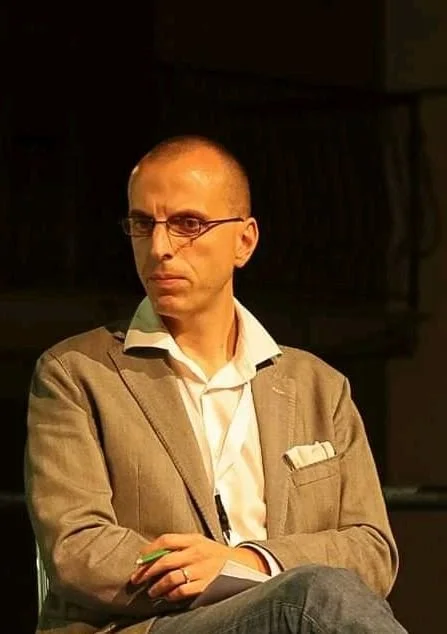
Michele Filippo Fontefrancesco
A cultural anthropologist and Associate Professor at Università Cattolica del Sacro Cuore.
His research bridges local development, food systems, and cultural heritage valorization with a strong focus on innovation, impact, and international collaboration. He has led over thirty applied research projects funded by the EU, foundations, and universities, with fieldwork in Italy, East Africa, and across Europe. His breakthrough work includes short food supply chain analysis and Horizon Europe projects on diet and digital sustainability. His goal is to use anthropology as a strategic tool for transformation. With over one hundred publications and editorial roles in leading international journals, his work shapes policies in food innovation and heritage tourism. He also serves as an evaluator for EU research programs and environmental platforms like UNEP.
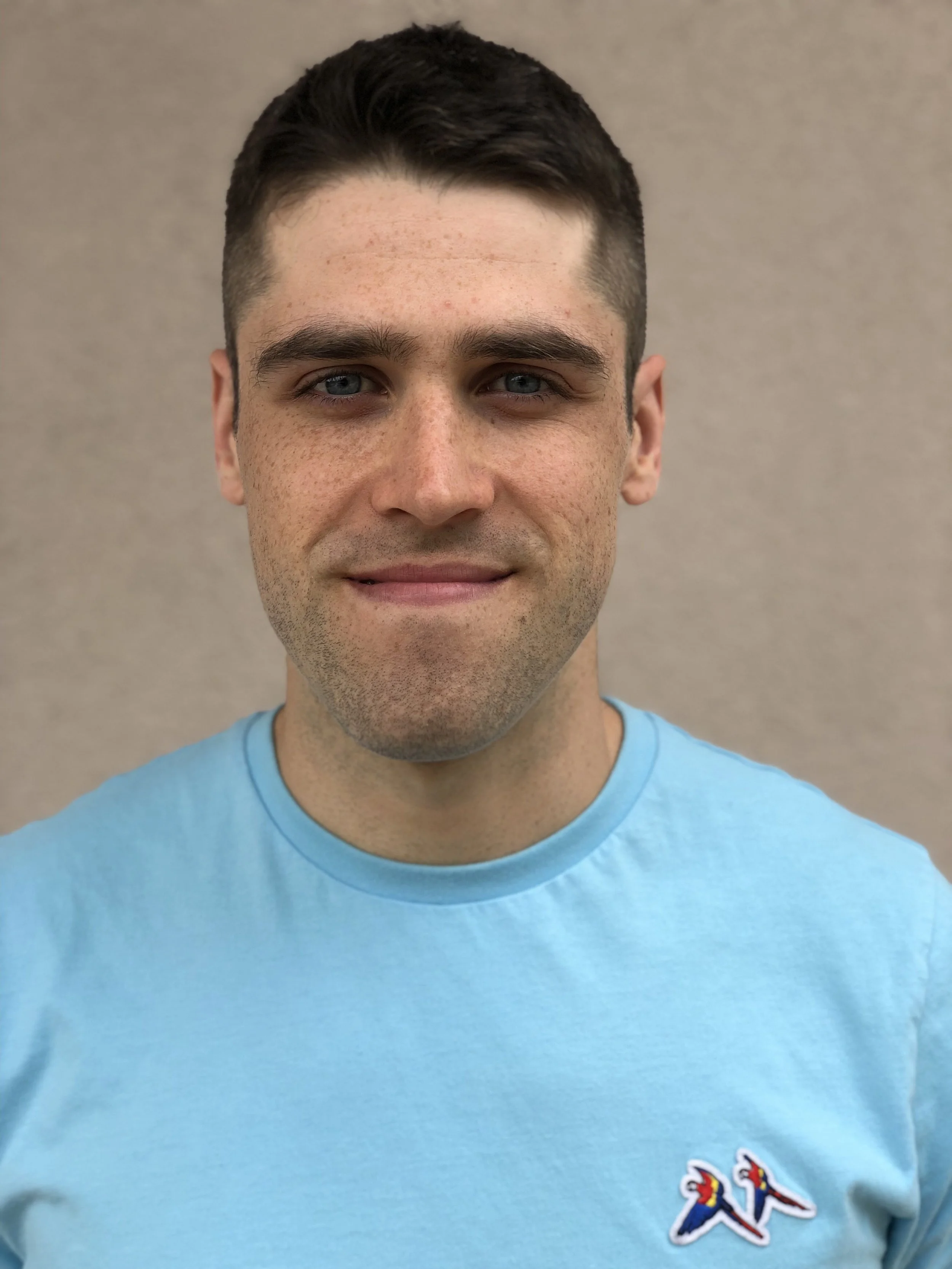
Šimon Srnka
Sustainability and Digital Technology Specialist
Šimon has experience in the field of sustainability and the application of digital technologies. His main professional specialization is the creation of strategies for reducing environmental impacts and implementing digital solutions to improve efficiency and sustainability in various sectors. He is actively involved in the development and implementation of environmental projects for various organizations.
Course FAQ
-
No prior experience is required. Each course is designed to be accessible for students, academic staff, and professionals with different backgrounds. The lessons start with clear introductions and build up to more advanced concepts, using practical examples from EU projects, agritourism, gastronomy, and sustainability.
-
Yes. All materials — including PPT/Keynote files, video lectures, and additional resources — are available through the project’s online platform. You can revisit the content anytime to support your studies, research, or professional work.
-
Absolutely. While examples are tailored to Fiji, Samoa, and Vanuatu, the principles of sustainable tourism, EU program design, food practices, and education quality apply internationally. Participants from any region can benefit from learning how European and Pacific institutions collaborate on innovation, sustainability, and rural development.